
Orchestrating Cognitive and Sustainable Products and Production Systems
Orchestration is the central catalyst for optimizing the efficiency and seamless integration of multiple interconnected components within cognitive industrial systems. It spans the entire spectrum, from orchestrating production workflows and coordinating shop floor activities to streamlining collaborative efforts among engineering teams. Our vision is to take this complex task beyond isolated machines, processes, and stakeholders and move to a holistic overview of the product throughout its complete value chain from different supply chains, assembly, usage maintenance, recycling, etc.
Research Approach
The approach to orchestration in this research area encompasses automated processes driven by AI, interdisciplinary co-design involving experts from various fields, the development of aware shopfloors capable of self-configuration and self-optimization through data-driven insights, and a strong focus on quality certification to ensure adherence to industry standards. This multifaceted approach aims to enhance operational efficiency, collaboration, and product quality in industrial environments.
Technologies and Innovations
We are developing and testing application-oriented solutions including:
- Legacy systems modernization approaches (LLMs, static and dynamic code analysis, automated refactoring, etc.)
- Use of AI for software engineering and vice versa
- Engineering processes adaptive monitoring
- Interdisciplinary knowledge capture and consistency checking
- Flexible human-robot collaboration
- Adaptable shopfloor layouts
Industries
- Software Providers
- Assembly and Manufacturing Companies
- Digital transformation industries (companies undergoing or supporting transformations)
- Supply chain industries
Topics
Engineering orchestration focuses on the integration of diverse systems and teams, ensuring effective communication across disciplines while combining AI with traditional software engineering approaches. It coordinates experts like designers, engineers, and data scientists to develop cognitive products and production systems, utilizing advanced technologies and collaborative platforms. Modernizing legacy systems plays a crucial role in ensuring seamless integration with newer technologies. By assigning roles efficiently and enhancing awareness with real-time data, orchestration ensures smooth coordination and decision-making.
Shopfloor orchestration coordinates resources, decision-making, and automation to optimize production and adapt to changing demands or disruptions, integrating smart machines, robotics, and human collaboration for flexibility. It involves managing resources efficiently, utilizing sensors and IoT devices for real-time data collection, and enabling self-configuring, self-optimizing production environments with minimal manual intervention. Key outcomes include transforming production into adaptive systems, monitoring machine and personnel status, and simulating scenarios to optimize processes, with a focus on energy orchestration for better consumption and cost management.
Autonomy is a key pillar in the orchestration of cognitive products and production systems, enabling independent decision-making and adaptive learning beyond simple automation. Autonomous robots, vehicles, and AI-powered systems already play a significant role in manufacturing, optimizing processes, and enhancing user experiences. The focus is on orchestrating these systems to adapt to changing conditions, manage complex workflows, and determine when to transition between levels of autonomy, ensuring seamless integration and efficient operation throughout the system lifecycle.
Ensuring quality throughout the lifecycle of cognitive products and production systems presents numerous challenges, requiring the orchestration of processes, tasks, and resources to enforce quality control, track deviations, and implement corrective actions. Advanced simulations, continuous monitoring, and data analytics help maintain high-quality standards during design, development, and operation, addressing effectiveness, efficiency, safety, and security. The focus is on balancing efficiency with effectiveness, exploring how engineering and production processes influence product quality, and supporting certification, safety, and usability in the development of cognitive systems.
Projects
APS.net
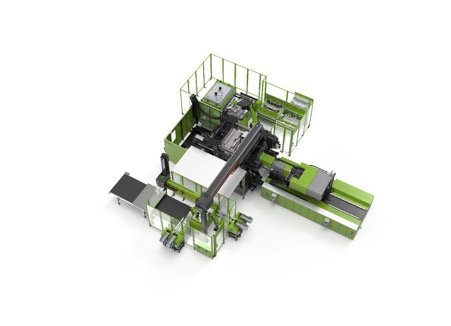
This SFP investigates models, architectures, techniques, and algorithms for increasing the flexibility and adaptability of industrial production systems. Software, and…
To Project-Page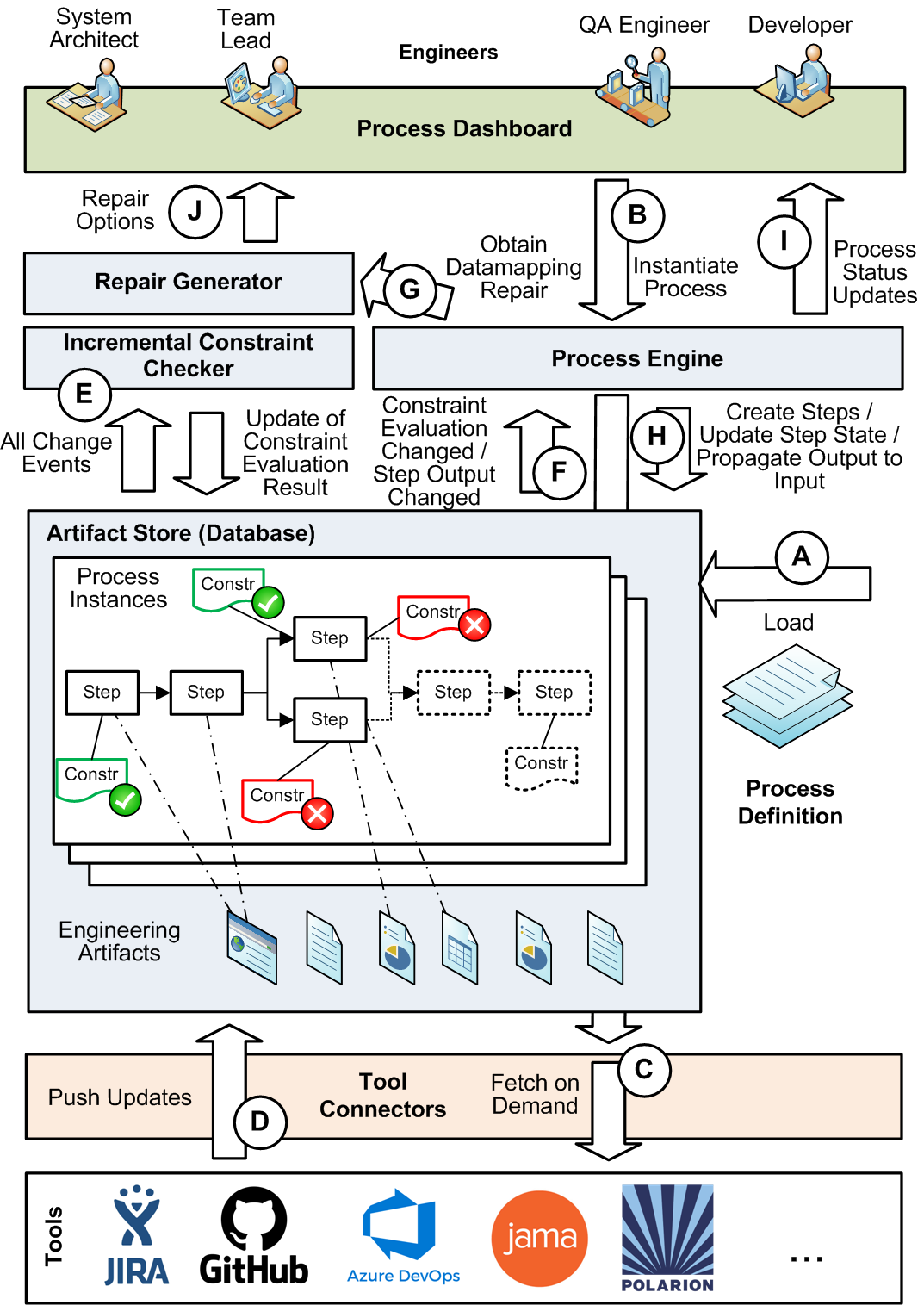
CEPS
The automotive industry is developing complex, interdisciplinary systems, containing a multitude of software and hardware components that have to work…
To Project-Page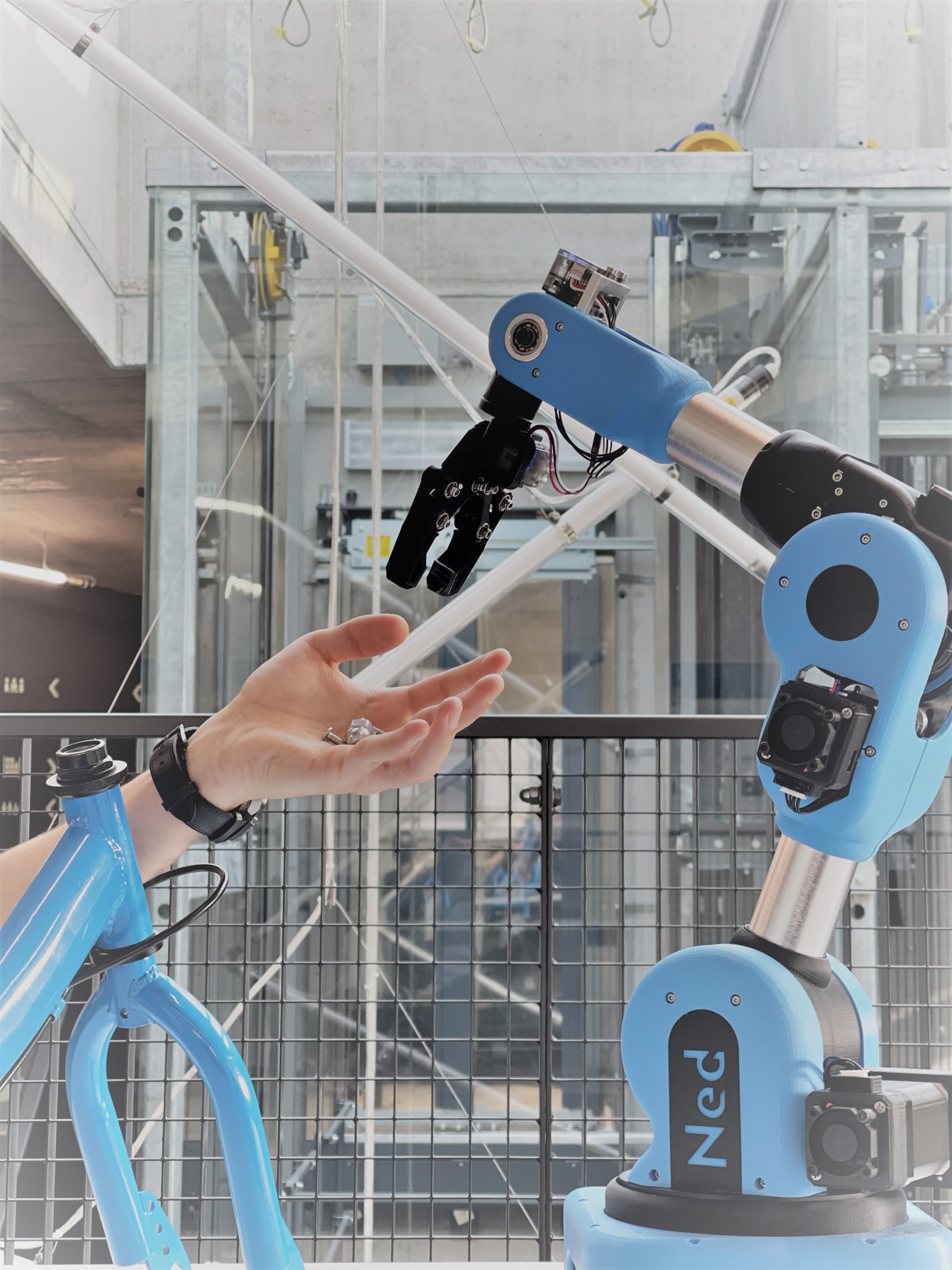
DEVINE
In the dynamic landscape of modern industry, the integration of robotic systems into manufacturing processes has become increasingly ubiquitous. This…
To Project-Page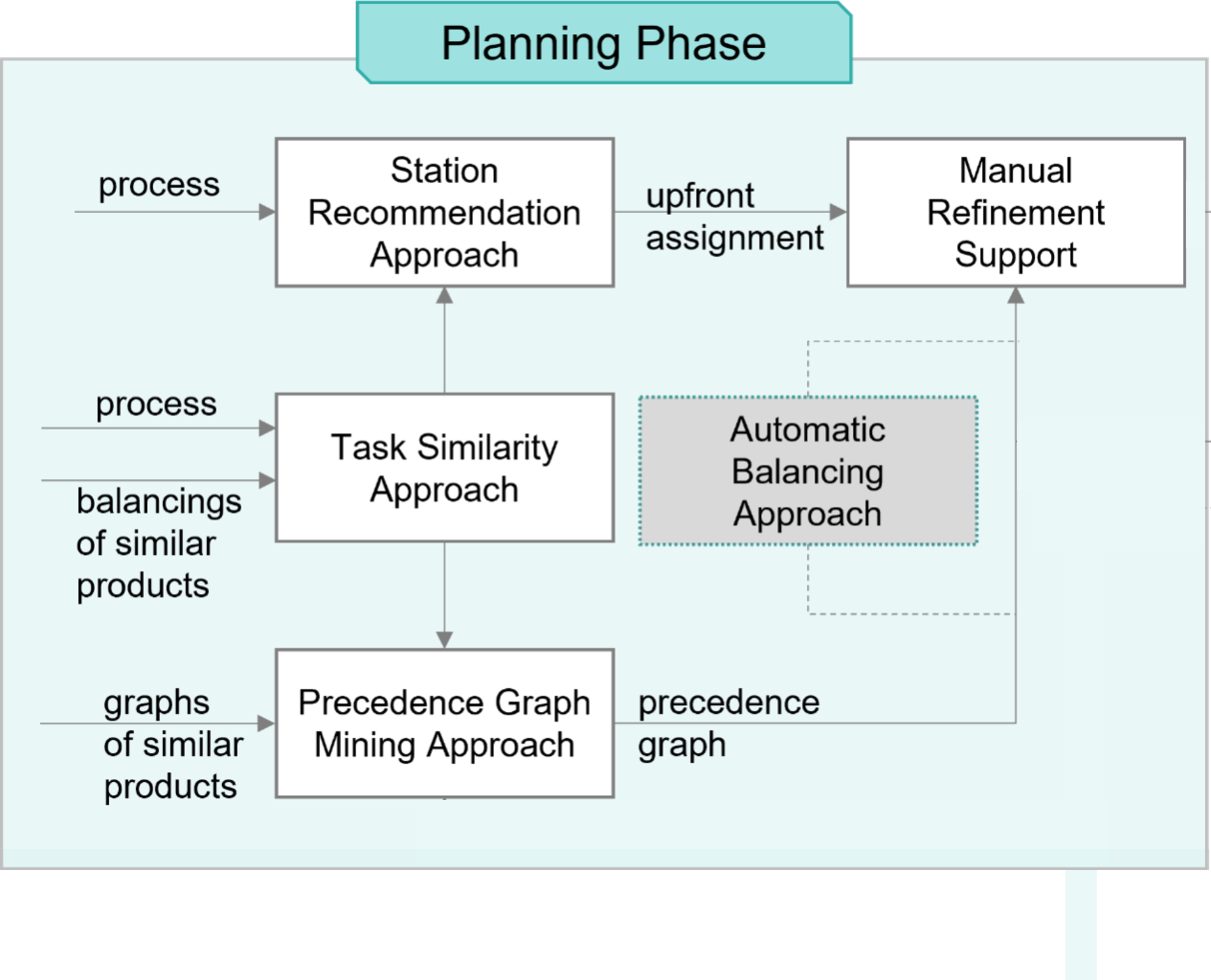
LineTACT II
To participate in a highly competitive market, manufacturing companies today offer a wide range of product variants accommodating the increasing…
To Project-Page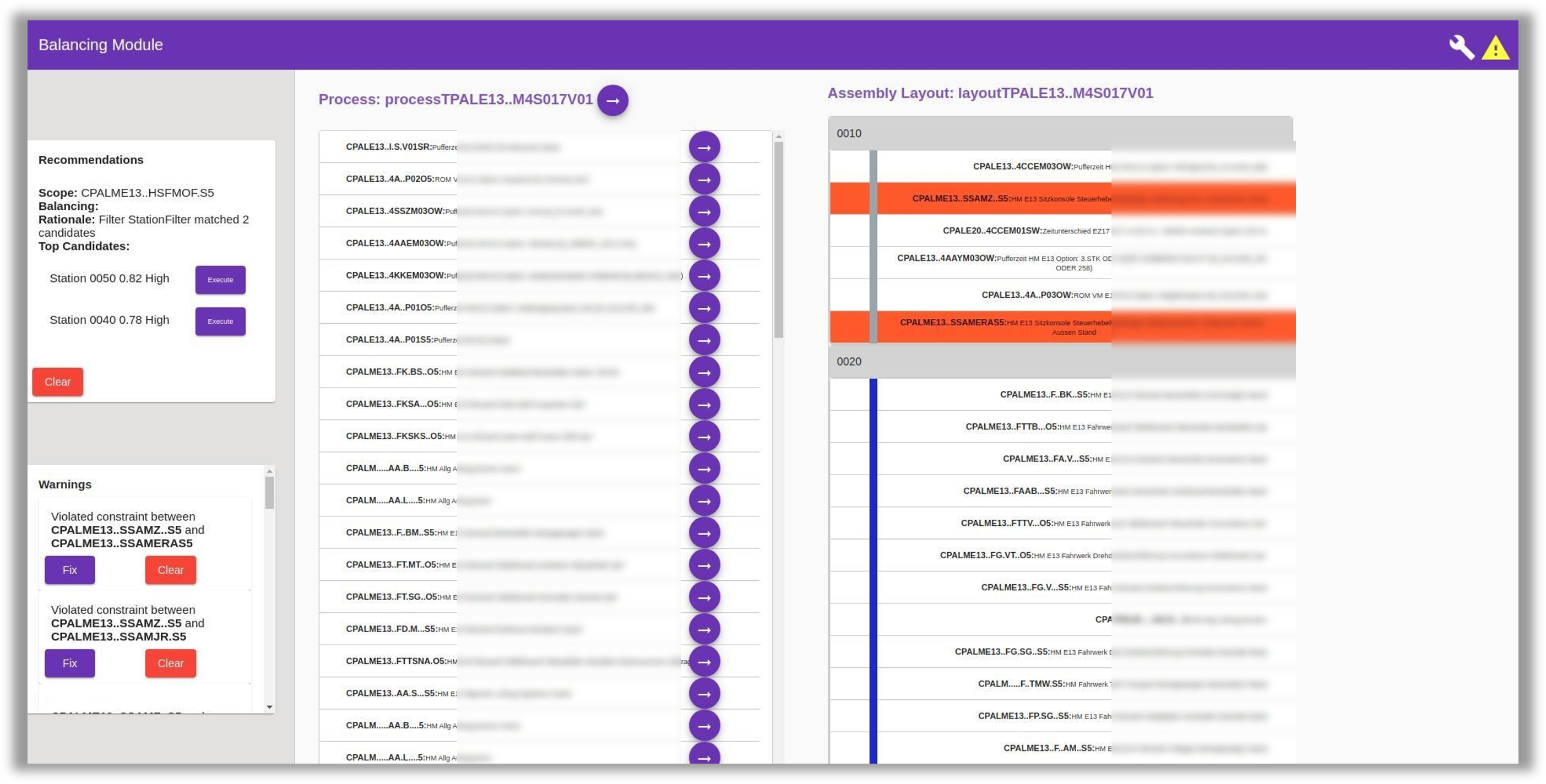
LineTACT
This MFP investigates models, architectures, techniques, and algorithms for reducing the time to rebalance a manual assembly line. A primary…
To Project-Page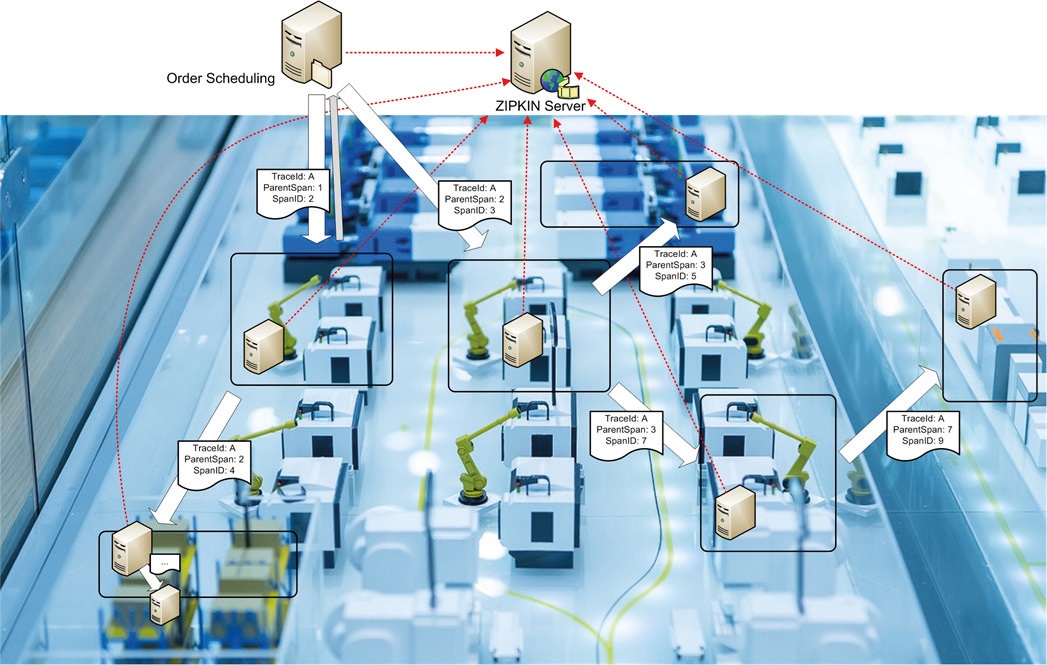
HOP-ON
Production Systems are systems-of-systems and very specific and unique systems. Here Production Systems address machines composed of mechatronic systems and…
To Project-Page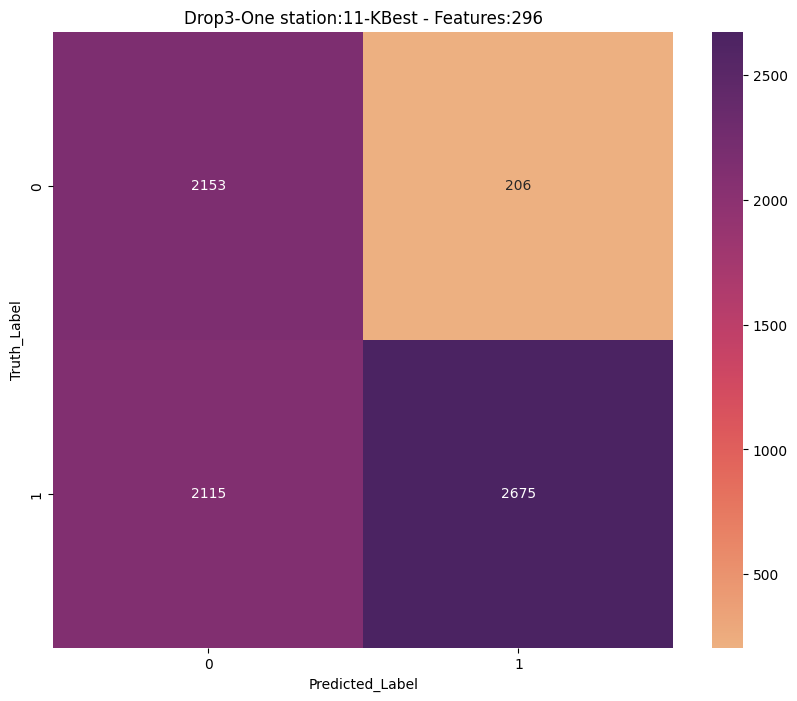
CoSma
Predicting quality in production systems is an open field of research, especially for discontinuous production like assembly. In manufacturing of…
To Project-Page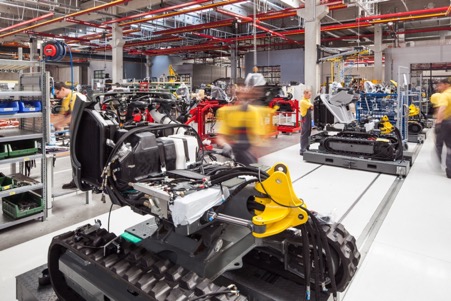
A2PS
This MFP investigates models, architectures, techniques, and algorithms for increasing the flexibility and adaptability of cyber-physical production systems, specifically here…
To Project-Page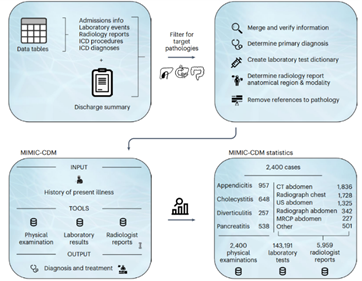
AIDE
This project focused on developing and evaluating AI-based approaches to support the diagnosis and risk prediction of diseases, using publicly…
To Project-Page