
Bringing intelligence into products for adaptive, dependable, and sustainable performance
The vision of Area Cognitive Products is to bring cognitive functions into industrial applications and products to enhance them, increase their usefulness and functionality, make them more robust and dependable, and make them more energy-efficient, adaptable, and sustainable. The extended vision is that cognitive products not only enhance and imitate the cognitive capabilities of humans to assist us in our daily work and life but also become cognitive entities themselves that cooperate with humans.
Research Approach
Our research is directly motivated by real-world industrial problems and challenges. We engage in a deep technical discussion with our industrial partners and scientific experts to gain valuable insights. These insights are crucial for our empirical experiments on testbeds to measure key performance indicators and produce reliable results. Additionally, with simulations and prototypes we demonstrate the efficiency of our achievements. The benchmarks and comparative analyses are conducted to optimize our approaches. Trade-off analyses ensure our solutions are robust, scalable, energy-efficient, and dependable under diverse operational conditions, enhancing performance and sustainability.
Technologies and Innovations
- Human-Centric Cognitive Functions: cognitive capabilities that prioritize human safety, quality of work, and ethical considerations.
- Adaptive Low-Energy Operation: energy-efficient and adaptive systems that intelligently scale power consumption.
- Flexible and Adaptive Composition: products that are compositional and reconfigurable.
- Enhanced Embedded Devices: advanced diagnostics, maintenance, localisation, and communication algorithms.
- Robust and Resource-Efficient AI for Edge Devices: machine learning models optimized for constrained hardware.
- Formal Verification for Software Correctness: Provide provably correct code for cognitive embedded software, ensuring reliability, safety, and sustainability.
Industries
We focus on transforming various industrial sectors through cognitive solutions:
- Automation Industry: Developing advanced safety concepts and flexible manufacturing solutions for highly automated production systems.
- Smart Manufacturing / Industrial IoT: Integrating cognitive functions into manufacturing processes and products, leveraging IoT (Internet of Things) and Industry 4.0 principles.
- Automotive Embedded Industry: Enhancing vehicle safety, functionality, and in-vehicle communication, including areas like wireless communication and dependability.
Topics
This research explores innovative methods for producing and collecting data from industrial processes, including both newly built and retrofitted systems. By applying AI and ML technologies to this data, we aim to enable more informed conclusions and decision-making that enhance safety, reliability, and sustainability across industrial ecosystems. To ensure the trustworthiness of these technologies, we address challenges such as bias and adversarial robustness. Furthermore, by leveraging transfer learning, few-shot, and continuous learning, we enable adaptive, on-device intelligence—allowing systems to learn from limited data, respond to changing conditions, and operate efficiently with reduced computational and energy demands.
This area concentrates on developing robust, efficient, and adaptable embedded systems specifically for cognitive and sustainable edge applications. We are bringing intelligence to the edge devices through the deployment of AI models. We tackle the challenges of constrained hardware by investigating techniques to make complex functionalities runnable on tiny devices, balancing system size, operational accuracy, and overall robustness.
This theme supports the entire embedded products development lifecycle by providing tools and frameworks that streamline development, deployment and reduce post-deployment issues for engineers. To this end, our work focuses on providing correctness guarantees for cognitive embedded software updates and automating its portability to new hardware architectures. Our methodology leverages formal methods to generate provably correct code, enhancing software maintainability and hardware reusability to boost the dependability and sustainability of future systems.
This theme is dedicated to enhancing the awareness and dependability of embedded devices for fields such as autonomous systems, automotive systems, and dynamic wired and wireless communication. Our research encompasses localisation and communication algorithms, addressing RF-coexistence issues, and developing methods that ensure security and safety guarantees under diverse conditions. We focus on low-energy and highly-adaptive wireless technologies like Ultra-Wideband (UWB) and Bluetooth Low Energy (BLE), enabling energy-efficient operation through low-power modes and energy harvesting.
Projects
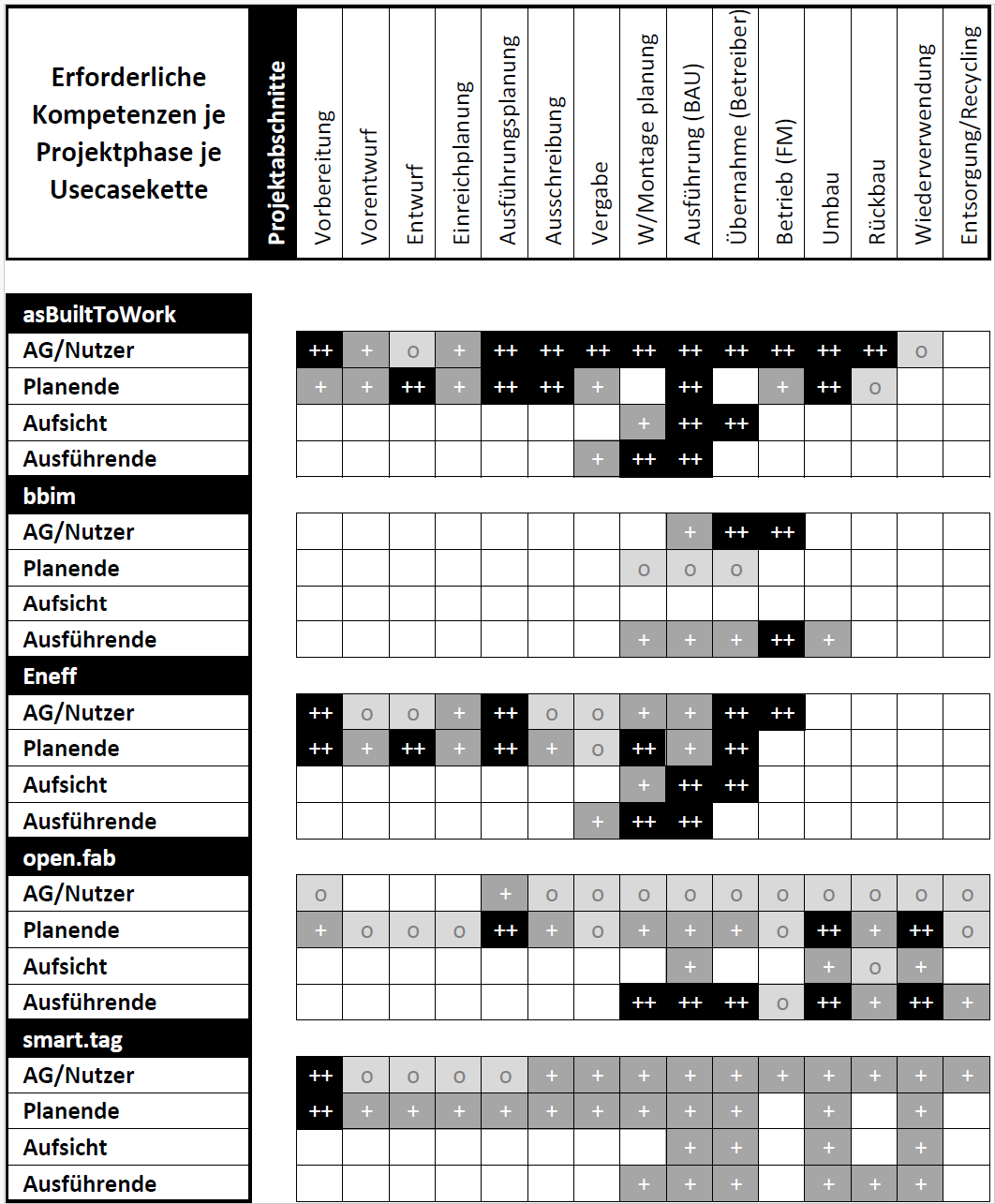
TWIN
Digital twins are virtual replicas of physical objects or processes that are synchronized with the real thing and kept up-to-date…
To Project-Page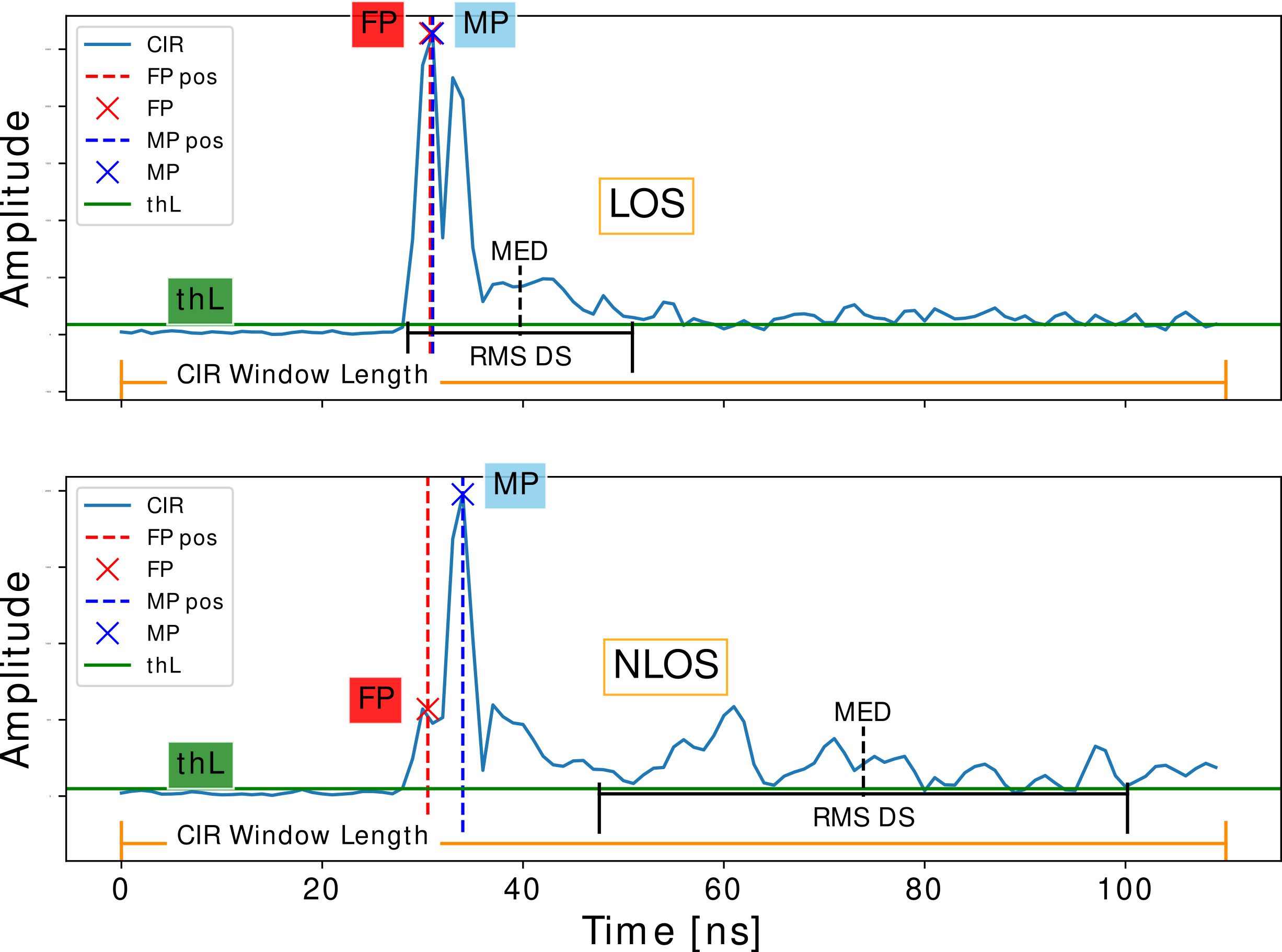
Enhance UWB
The rapid digitalization across all industrial sectors has fostered an increased need for connectivity in heterogenous application environments. As a…
To Project-Page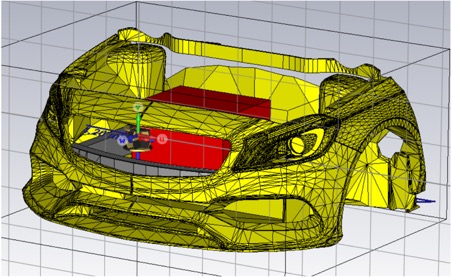
DRIWE
In order to establish new services and applications in the context of cognitive products and production processes, it is necessary…
To Project-Page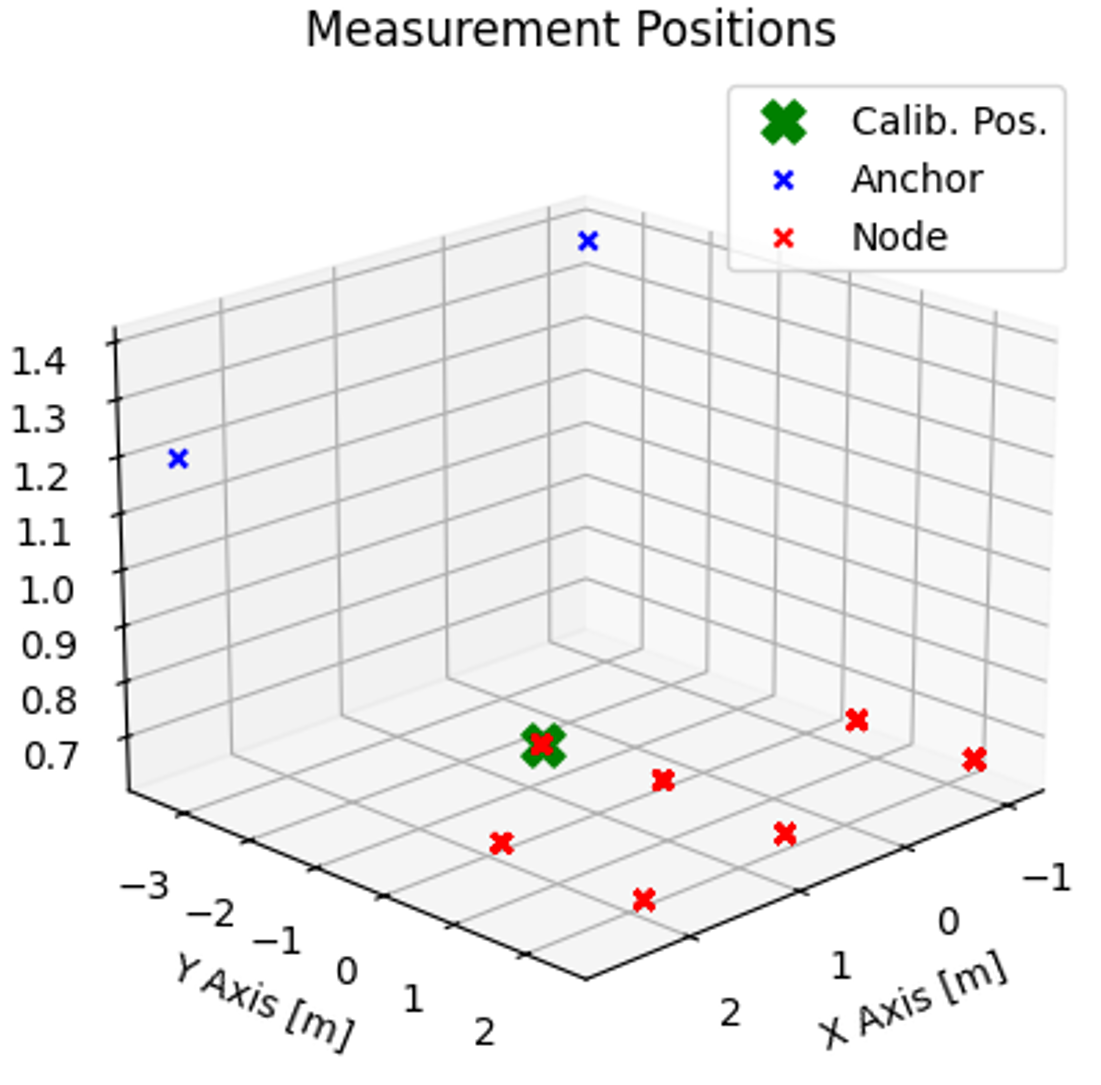
ShuttleTrack
The ShuttleTrack project dived into technology-agnostic localization systems for intralogistics shuttles, addressing the critical need for precise and reliable positioning…
To Project-Page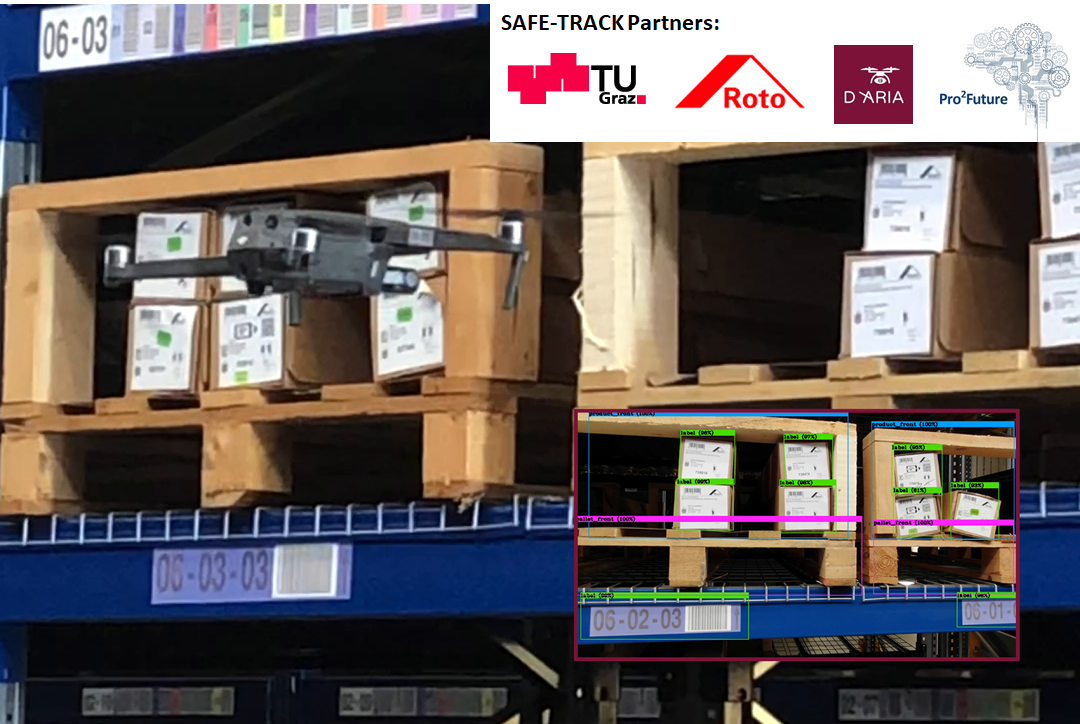
SAFE-TRACK
Drones are excellent machines to carry cameras, laser scanners and sensors to provide data for industrial and commercial applications. Thanks…
To Project-Page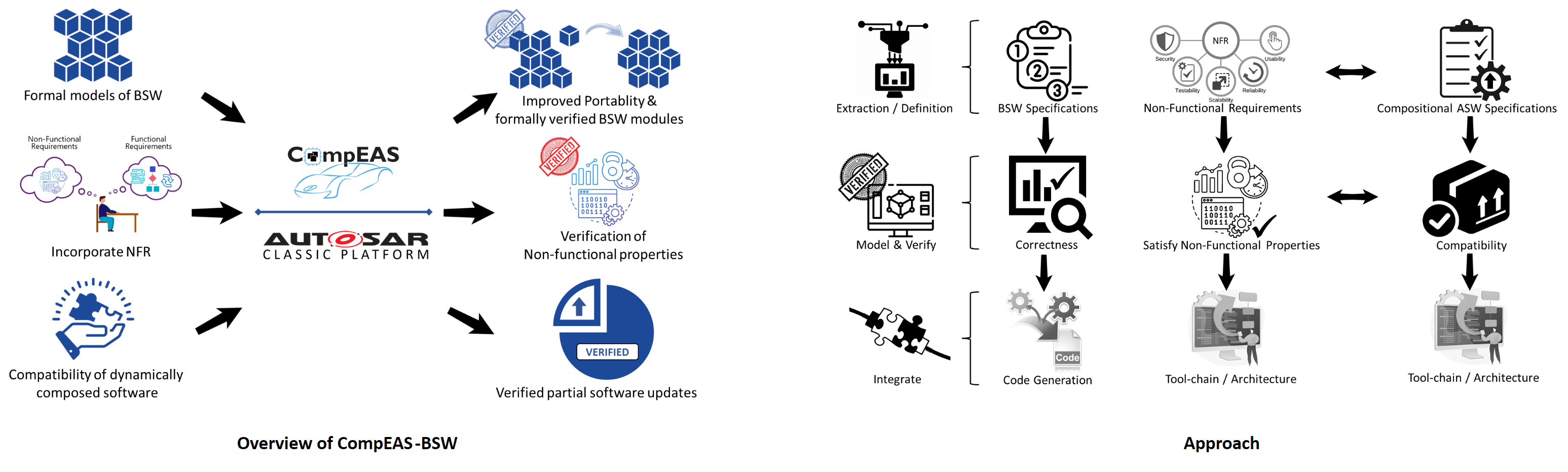
CompEAS-BSW II
Embedded systems in vehicles were traditionally implemented in a strictly static manner, where the integration of functions was largely manual…
To Project-Page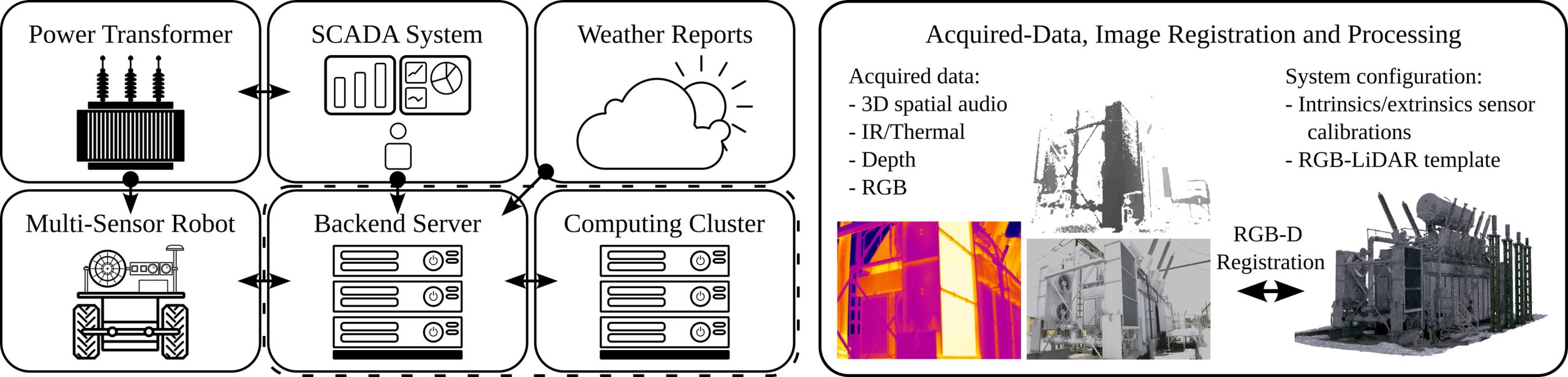
X-AMINOR
The current developments in the energy system pose new challenges to grid operators, as the increased integration of renewables and…
To Project-PageCompEAS-BSW
Embedded systems for vehicles are still implemented in a strictly static way: The individual functions are first implemented and tested…
To Project-Page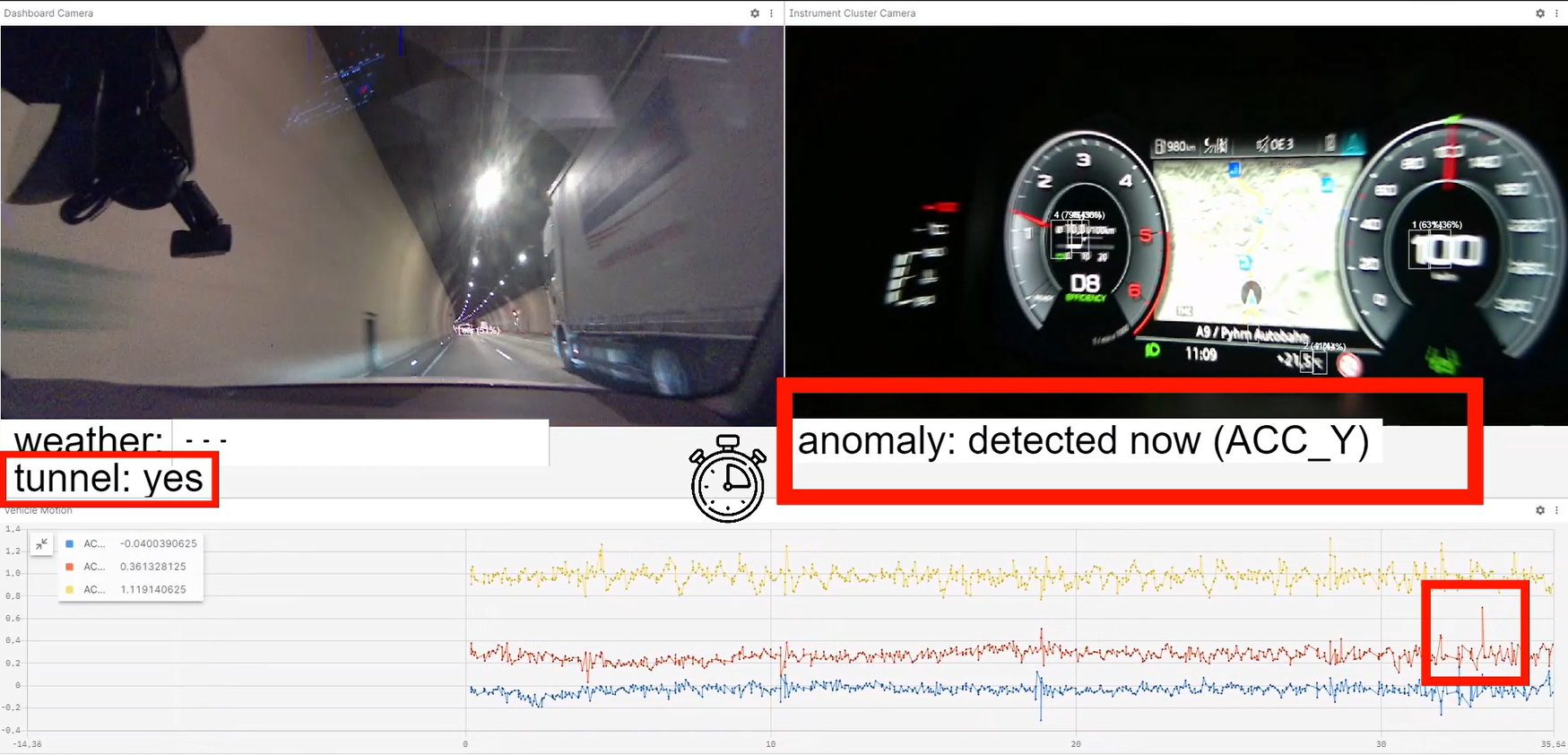
CORVETTE
The CORVETTE project aims to establish a robust software infrastructure for cognitive vehicle fleet monitoring, enabling comprehensive datadriven services. The…
To Project-Page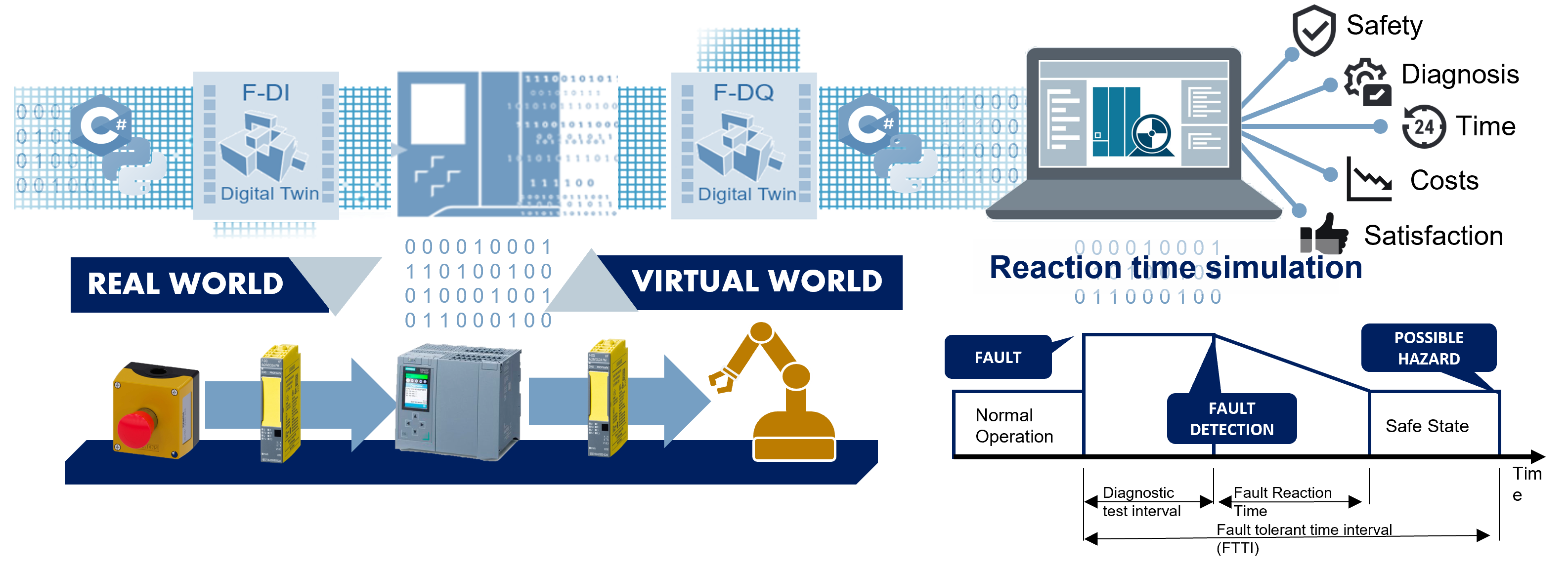
TWIN-SOLUTION
Due to the complexity of automation systems, extensive on-site engineering is required during installation, commissioning, and maintenance. Skilled engineers and…
To Project-Page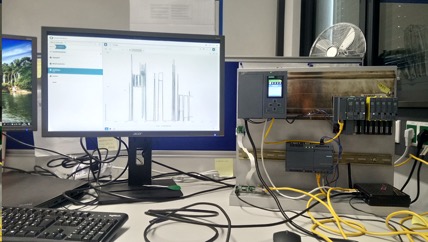
Simatic Failsafe 4.0
The proliferation of industrial monitoring and control systems has led to the generation of a huge amount of data. It…
To Project-Page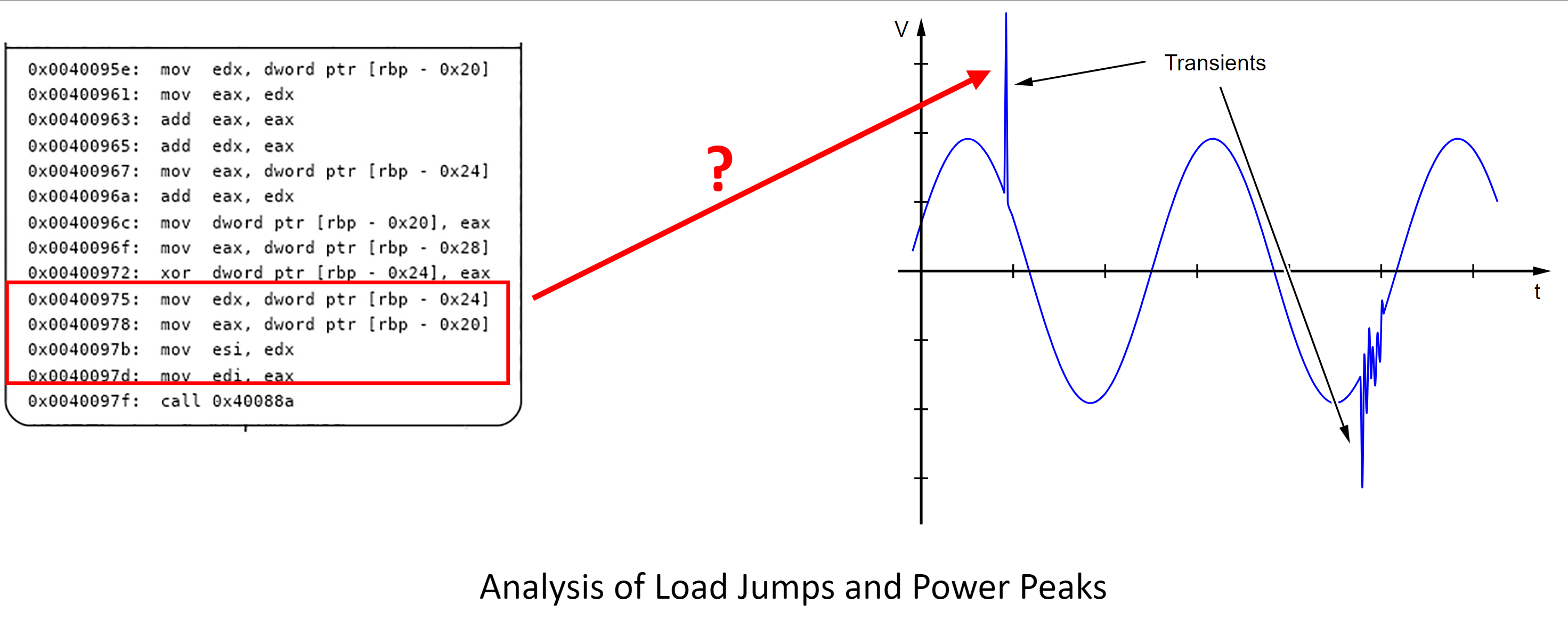
CompEAS-HW
The execution of software has a significant impact on various runtime characteristics of the hardware. Software critically influences the energy…
To Project-Page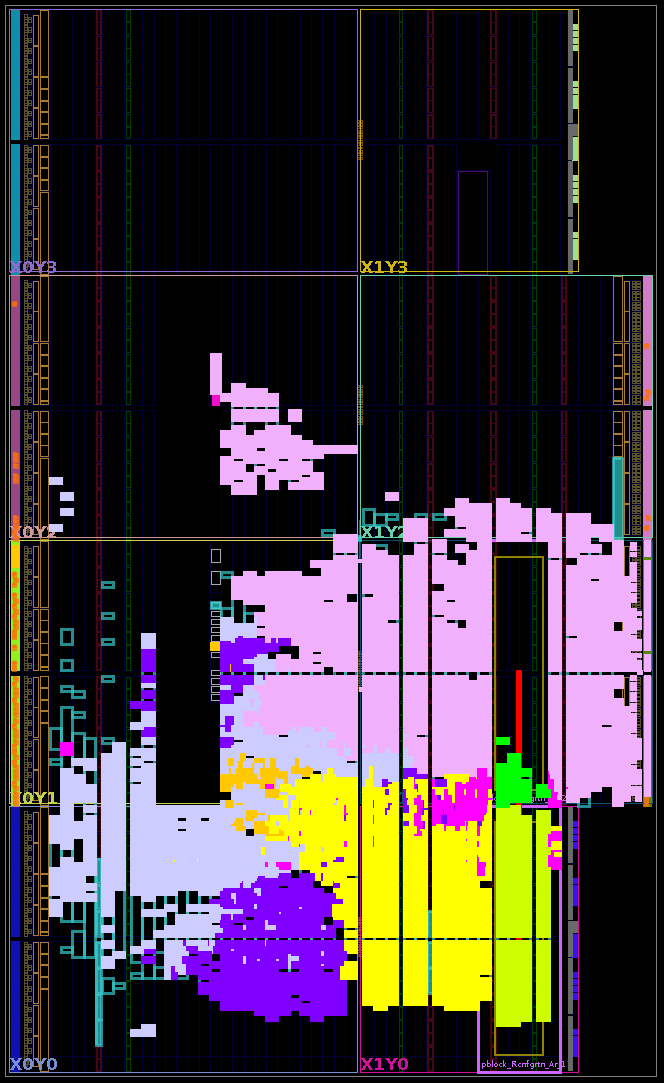
VERICOMP
The strategic project VERICOMP successfully addressed the central challenge of modern embedded systems: creating architectures that are both highly flexible…
To Project-Page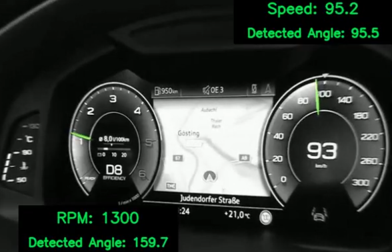
CORVETTE 2
The CORVETTE 2 project advances the cognitive collection and processing of vehicle and environmental data to enable real-time detection and…
To Project-Page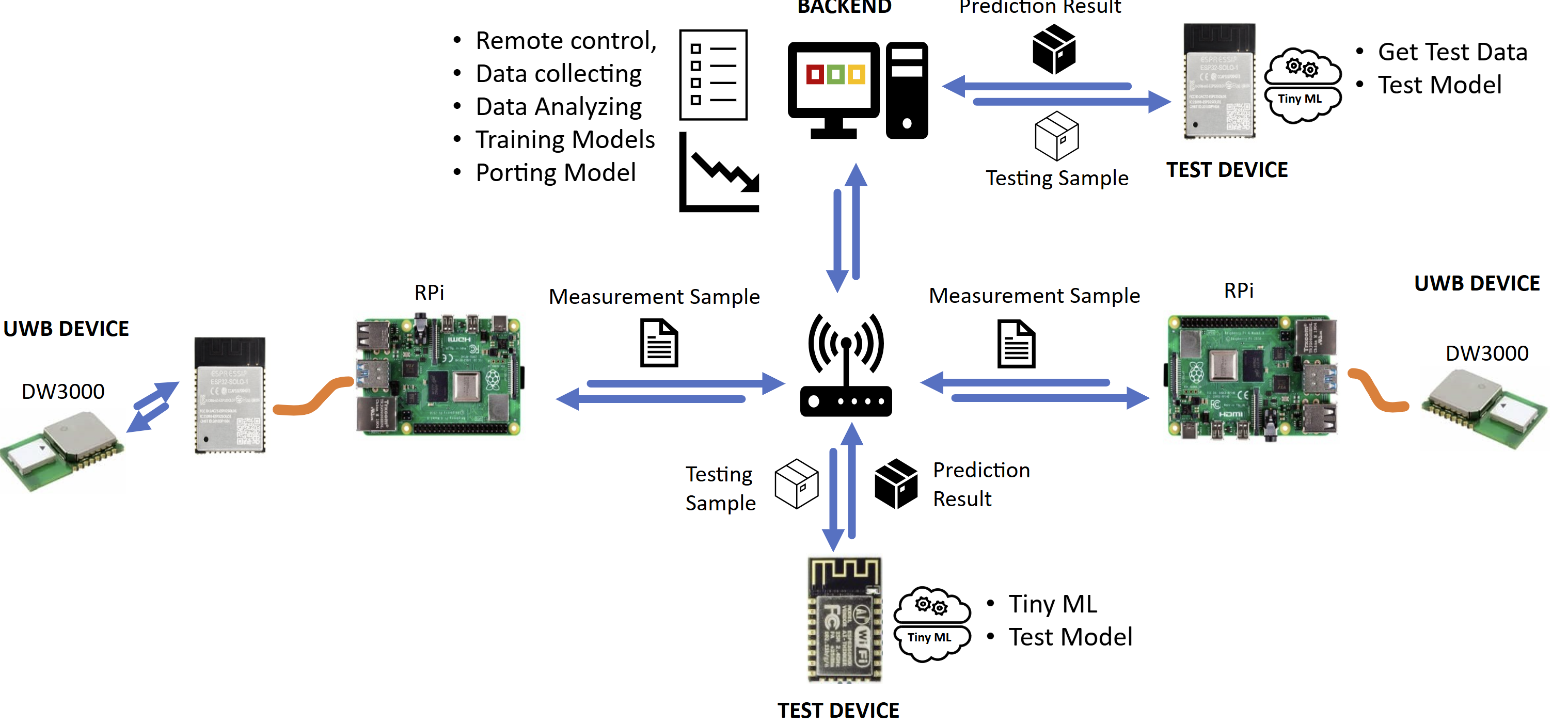
E-Minds-1
The objective of this project is to provide techniques and toolchains that make it possible to train and deploy AI/ML…
To Project-Page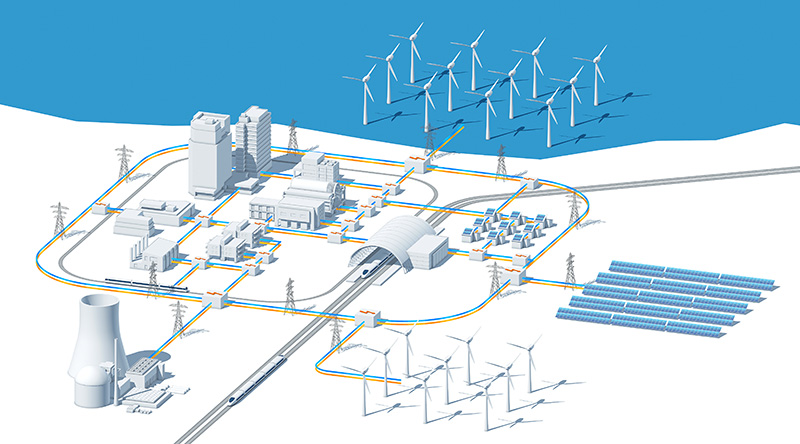
CSG
Due to the ongoing integration of distributed energy resources such as domestic photovoltaics into the existing distribution grid, conventional –…
To Project-Page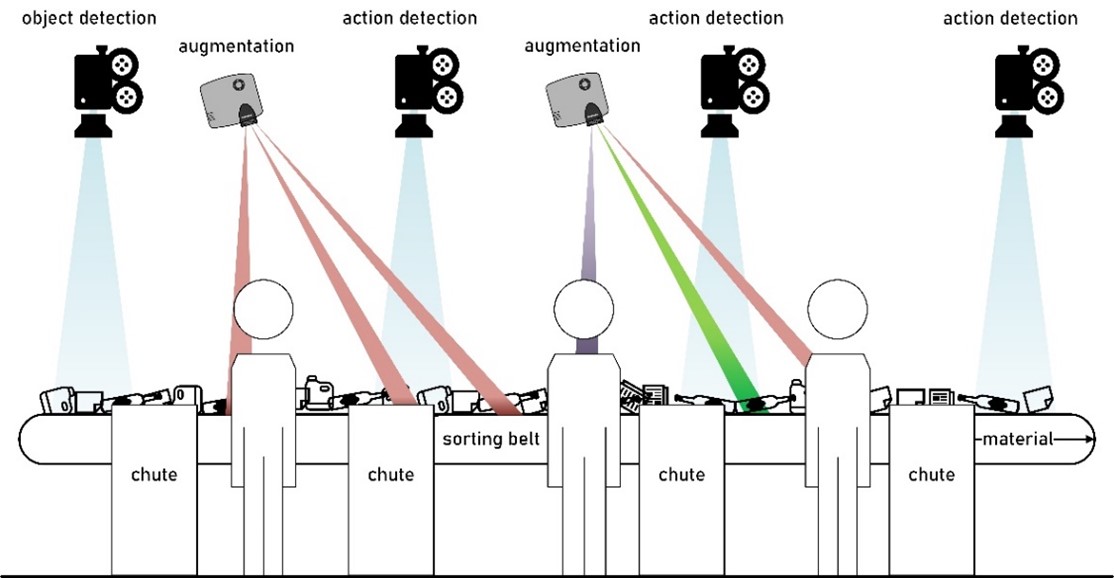
recAIcle
Waste contributes significantly to greenhouse gas emissions. As economic growth is the main driver for increased waste generation, a decrease…
To Project-Page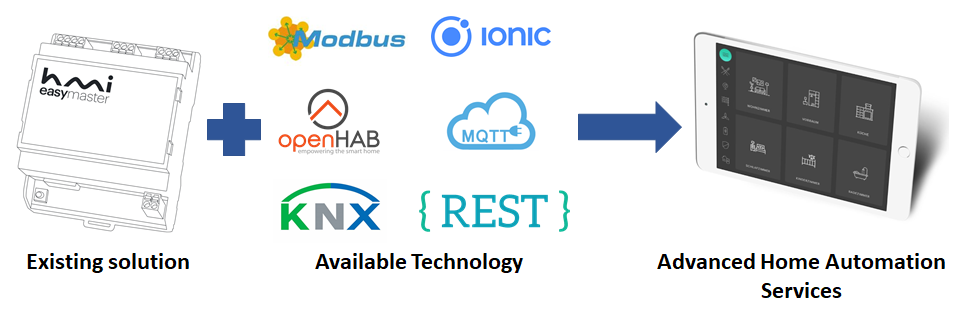
CONVENIENCE
Increased automation can be observed in many application domains. One good example for concepts stemming from digitalization and the domain…
To Project-Page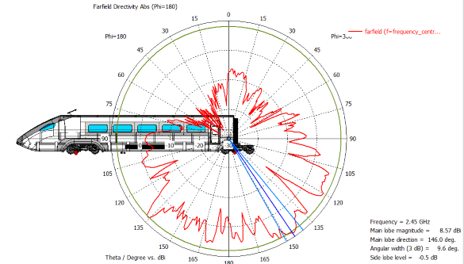
PREDISCOVER
In this strategic project, use cases and communication requirements for smart products in various environments are investigated. The goal is…
To Project-Page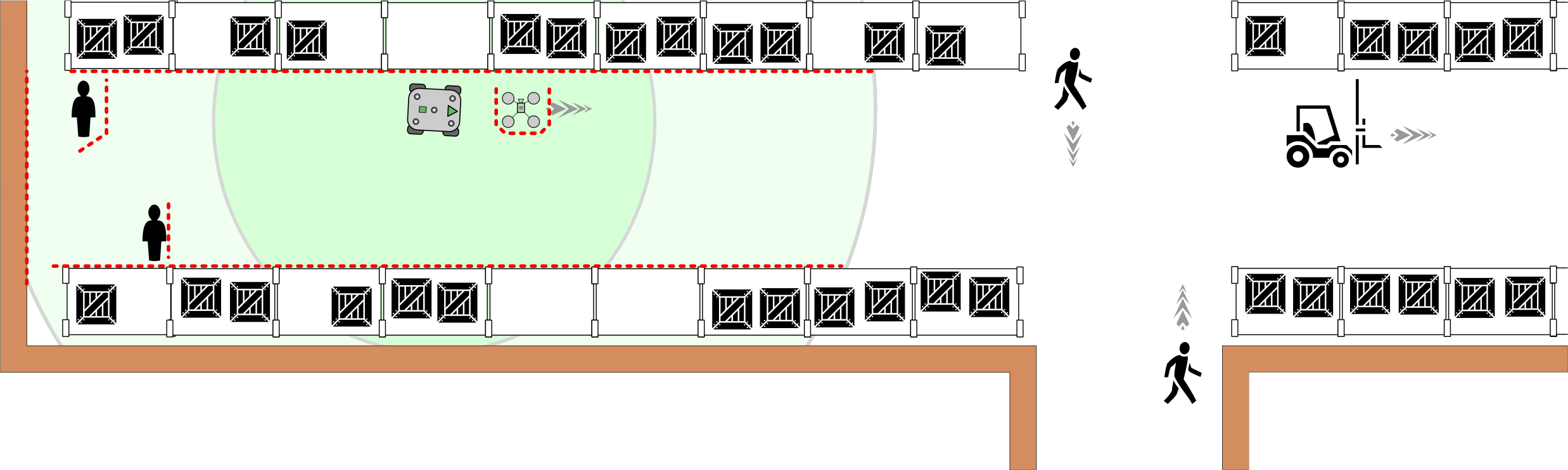
AI-Flight
In the last decade, drones are showing a great potential as data acquisition platforms, which can support industrial systems in…
To Project-Page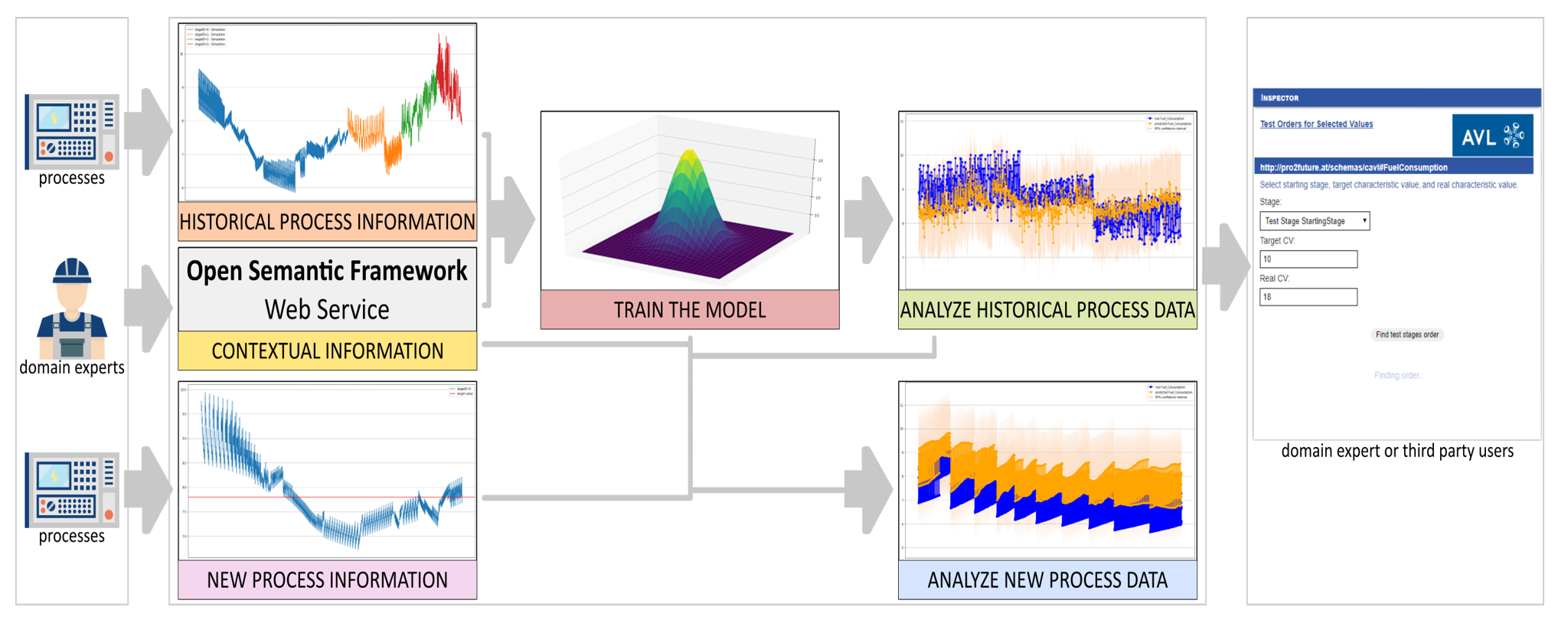
CAVL-SD
Whether manufacturing physical products or delivering virtual services, corporations engage in a variety of sub-processes which are interrelated both within…
To Project-PageIndustrial Partners






Academic Partners