
We architect Perception: From Small-Scale Datasets to Embedded AI Deployment, powering Industrial Human and Machine Perception
The dual meaning of Perception — both sensing and facilitating comprehension — is what enables cognitive, sustainable, and human-centered systems. We specialize in architecting this capability: bringing robust solutions to the industrial environments. By leveraging expertise in Small-Scale Datasets and Embedded AI Deployment, we ensure that sophisticated Machine Perception (real-time understanding of processes, environment, and human intent) and Human Perception (objective awareness of cognitive load and state) are practical and deployable. We move beyond mere automation that doesn’t improve or only optimizes single targets. The unified awareness that we deploy ensures safety in workspaces, allows for adaptive automation that prevents worker overload, supports sustainable resource use, enables precise error detection and process improvement, and facilitates the development of trustworthy symbiotic systems. Perception, driven by efficient algorithms on dedicated hardware, is the foundation for transforming sensor data into actionable knowledge for both people and machines, ensuring that integration creates massive value in modern manufacturing environments and for novel products.
Research Approach
Our research is centered on architecting perception in and for industrial systems. Our approach is built upon foundational research in human perception and machine perception, where we focus on closing the critical perceptual gaps between them. We design industrial solutions that are built upon neuro/cognitive architectures and principles. These are validated and iteratively optimized using a metric-based assessment that couples quantitative performance goals (e.g., throughput, accuracy) with critical qualitative human factors goals (e.g., operator trust, reduced cognitive load, and system transparency). Our solutions go beyond simple AI models, as we also focus on enriching human and machine perception, especially in collaborative or distributed environments.
Technologies and Innovations
- Energy-Efficient and Real-Time Capable Embedded AI
- Industrial Internet of Things and Federated AI Solutions
- Designing and Evaluating Human-Machine (graphical) Interfaces and Environments
- Process and Environmental Understanding Pipelines
- Physical AI systems leveraging Digital Twins and Shadows of Environments
- Explainable, Trustworthy, Interpretable, and Empirically Evaluated Machine Learning
- Advanced Multi-Modal Sensor Fusion Architectures
- Physiological and Cognitive State Sensing for Heavy Industry Workers.
- Autonomous Collaborative Systems (Robots, Drones, AGVs)
- Neuromorphic AI Building Blocks for Realtime and Low-energy Systems.
Industries
- Assembly Operation Support and Automation
- Predictive Maintenance and Maintenance Support
- Quality Assurance and Inspection Tasks
- AI Hardware Integration and Cognition System Operation
- Collaborative Production Ecosystems (micro to macro scale)
- Human-Machine Teaming
Topics
With machine perception we focus on computational entities acquiring a fundamental, real-time understanding of industrial processes, humans, and the environment. This pillar is the basis for understanding the world using all forms of machine learning (supervised, unsupervised, semi-supervised and reinforcement learning) typically using deep learning and embedded, even neuromorphic, hardware. Research moves from basic detection to multi-modal entity tracking and real-time process understanding. Our past solutions addressed industrial key problems, the absence of large-scale datasets, only small or badly labelled data, cloudless edge deployment and real-time and energy constraints.
With human perception we focus on empowering people by understanding their cognitive, physical, and psychosocial states in complex work environments. This pillar is the basis for personalized assistance, using dedicated sensors (e.g., IMUs, EEG, eye-tracking) to quantify attention, load, and skill or human behavior. Research moves from subjective assessments to objective, real-time state awareness to create self-optimizing user interfaces or adaptive environments. Our past solutions focused on industrial key problems: supporting complex process management while preventing cognitive overload and ensuring safety and skill transfer by delivering highly individualized and contextual guidance when needed.
With federated perception we focus on strategies for distributed AI systems to cooperate and learn collectively while maintaining individual data sovereignty. This pillar is the basis for scaling intelligence across entire machine ecosystems, using Federated and Transfer Learning Approaches to exchange models, or subparts thereof, not proprietary data. Research moves from single-system learning to collective knowledge propagation. Our past solutions focused on industrial key problems: managing data silos, coordinating AI ensembles, enabling high-level collective cognition, and ensuring energy-efficient model aggregation across heterogeneous edge devices.
With symbiotic perception we focus on enabling effortless and trustworthy cooperation by synchronizing human and machine understanding and intent. This pillar is the basis for true Human-Machine Co-Perception, requiring holistic scene understanding and a level of machine agency. Research moves from limited interaction to environments where AI actions are comprehensible by humans and adaptive to humans. Our past solutions focused on industrial key problems, building mutual trust and safety in shared workspaces, minimizing unpredictable and explaining behavior of physical or digital AI, and allowing users to easily adapt the machine's perception through direct feedback or indirectly using behavioral clues and following social norms.
Projects
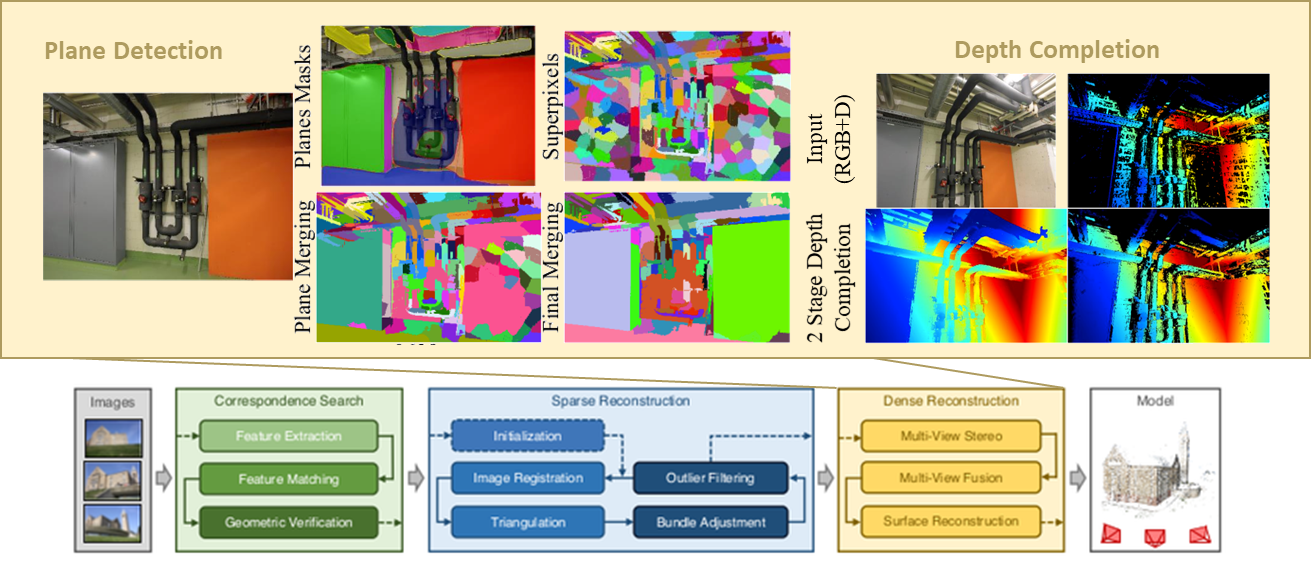
3D-RECON I
The aim of 3D-Recon is the research and development of methods for high quality 3D reconstruction from images in two…
To Project-Page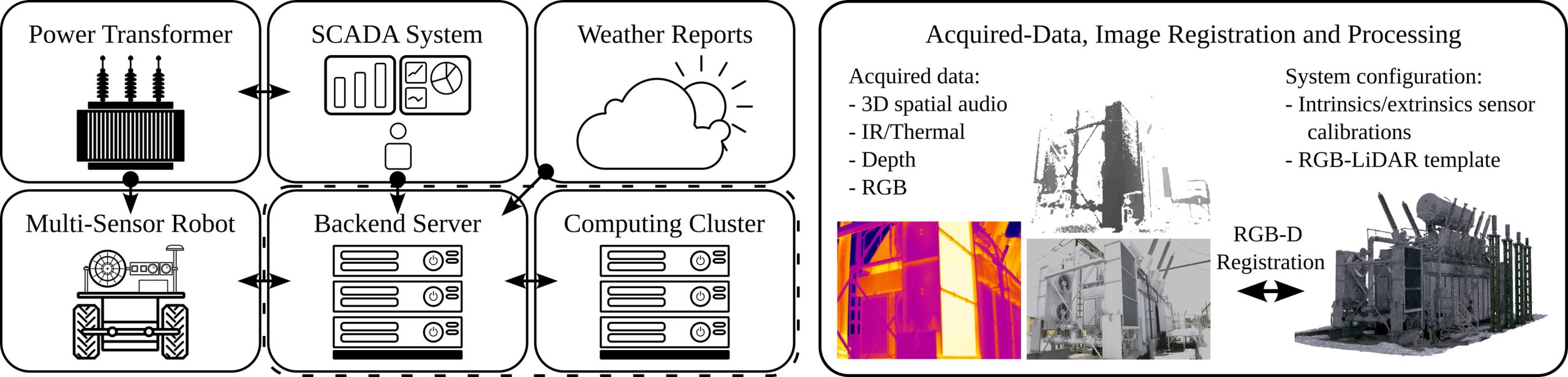
X-AMINOR
The current developments in the energy system pose new challenges to grid operators, as the increased integration of renewables and…
To Project-Page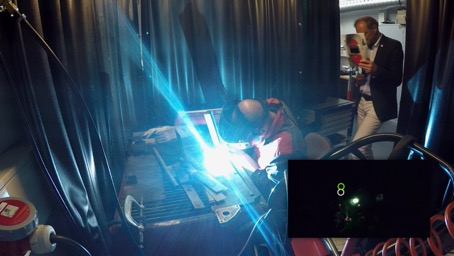
SeeIT
Harsh industrial environments, where workers interact with machines, tools or other entities (such as robots or other workers) provide a…
To Project-Page
AssE
The purpose of "Opportunistic Awareness in Assistive Environments" was to support scientific work on the following topics: – Feedback and…
To Project-Page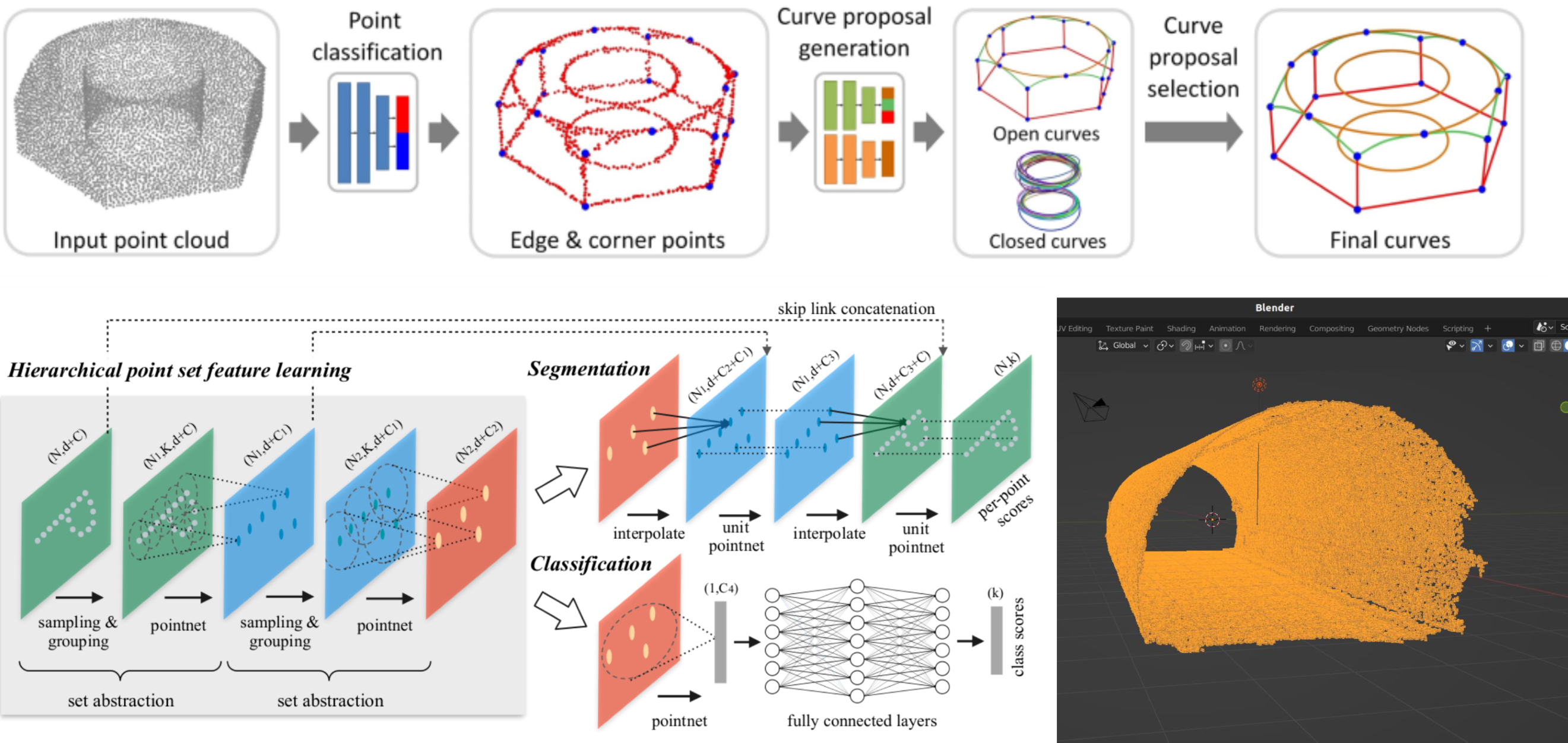
DERELE
Machine learning-based detection of geometric shapes has emerged as a rapidly expanding research field, with significant attention currently directed towards…
To Project-Page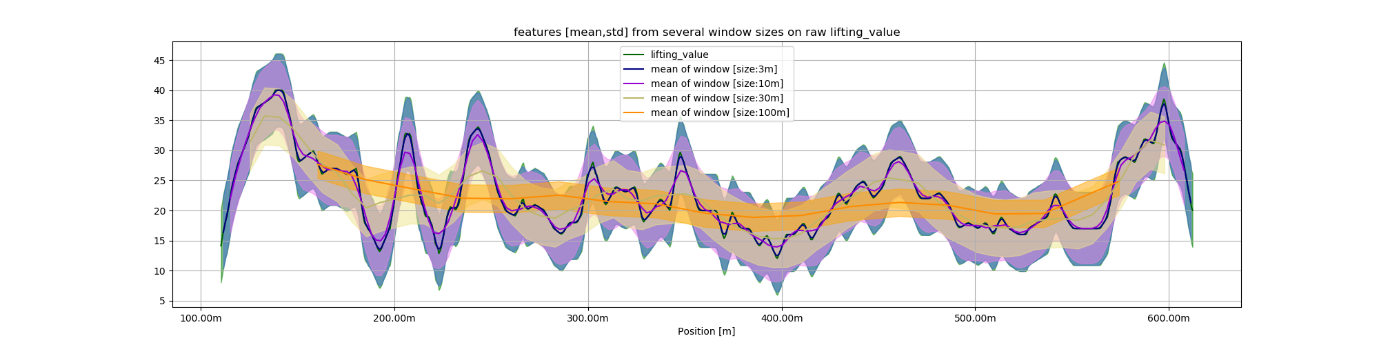
RTEAS
RTEAS will provide support in rail track error analysis based on the data from rail track machines. Along with company…
To Project-Page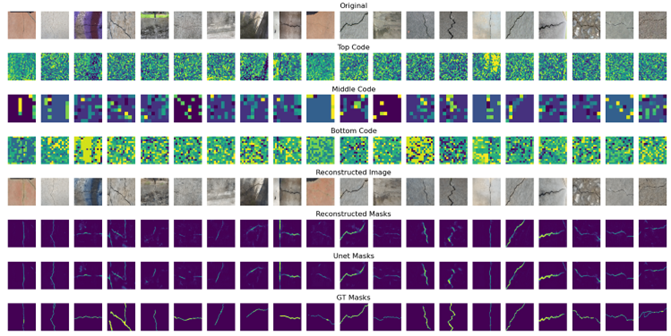
TUNSPEKT
In the D.A.CH Transport Infrastructure Call 2024, topic 2 “Automated condition recording and damage detection in road tunnels” will be…
To Project-Page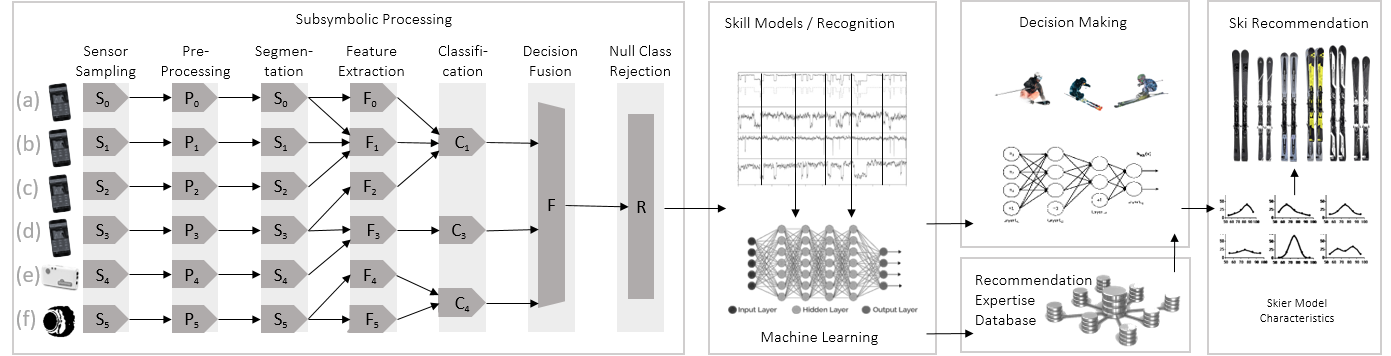
Fischer4You
Fischer4you will study skier’s behavior to find their skill level of skiing, therefore provide them with an appropriate range of…
To Project-Page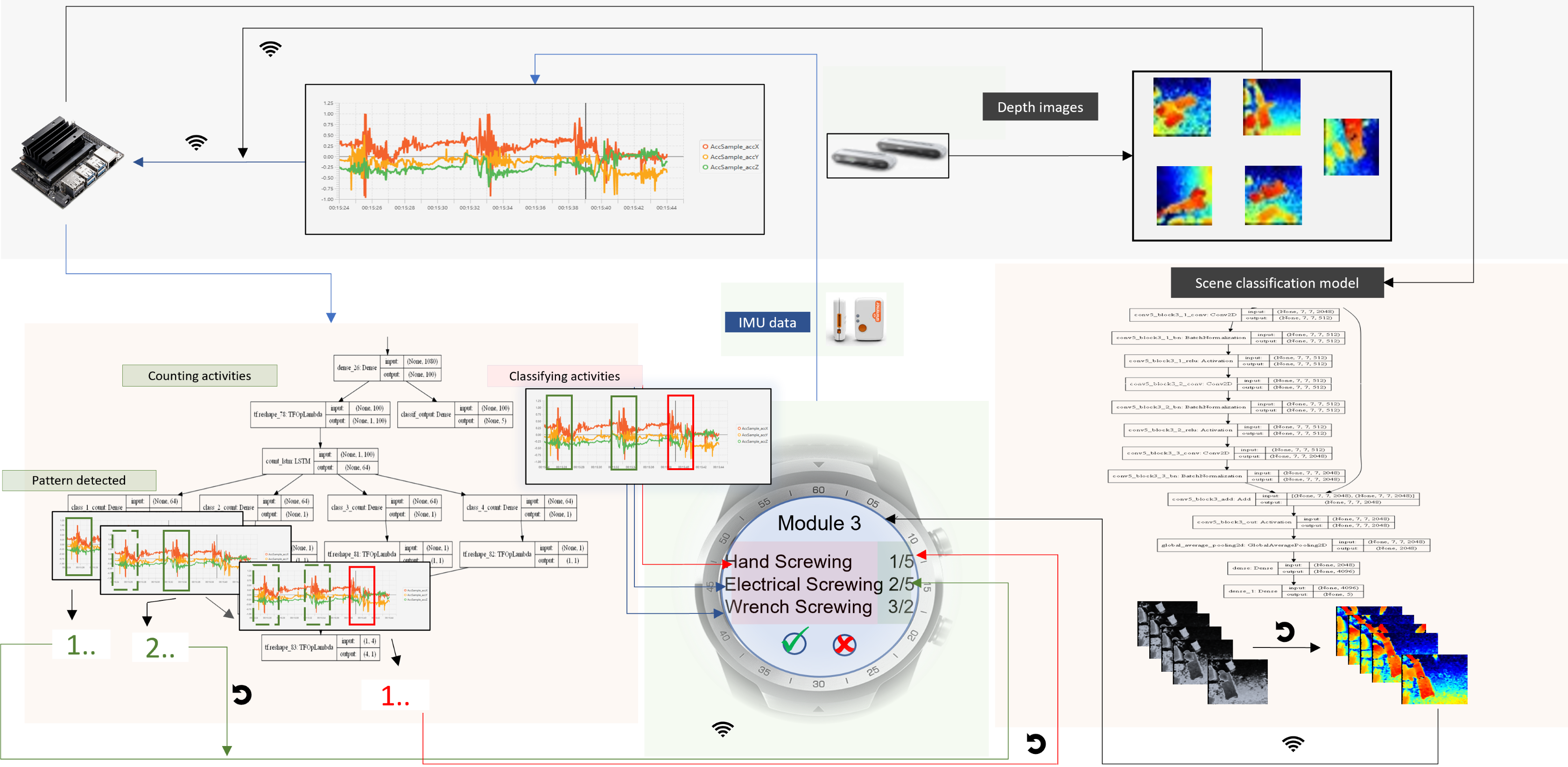
GAP
Human Activity Recognition (HAR) holds immense significance in computer vision, offering benefits in diverse scenarios. In industrial settings, manufacturing assembly…
To Project-Page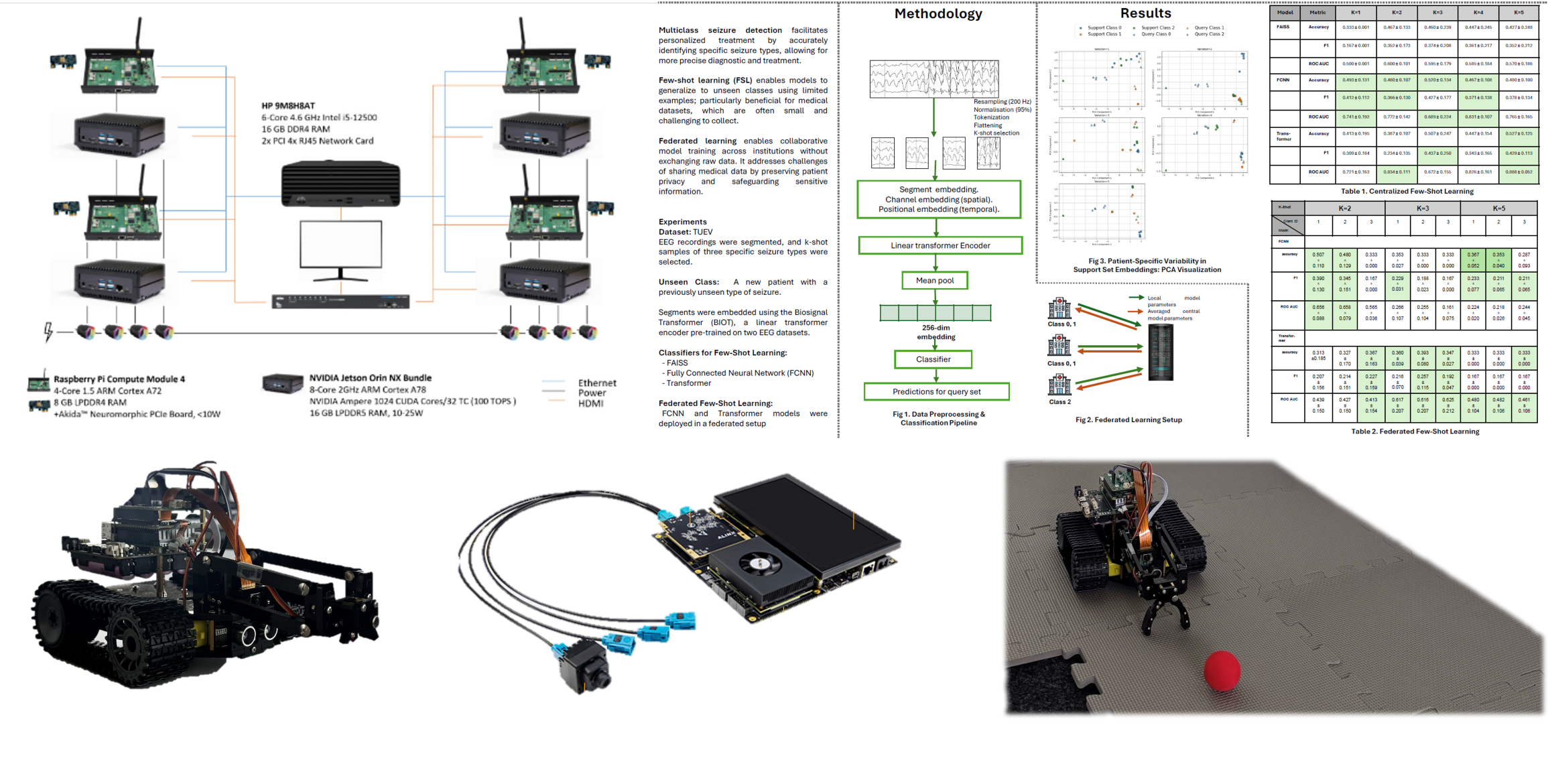
StreamingAI
StreamingAI is a basic research project with the aim of raising “perception” in the sense of artificial intelligence in federated…
To Project-Page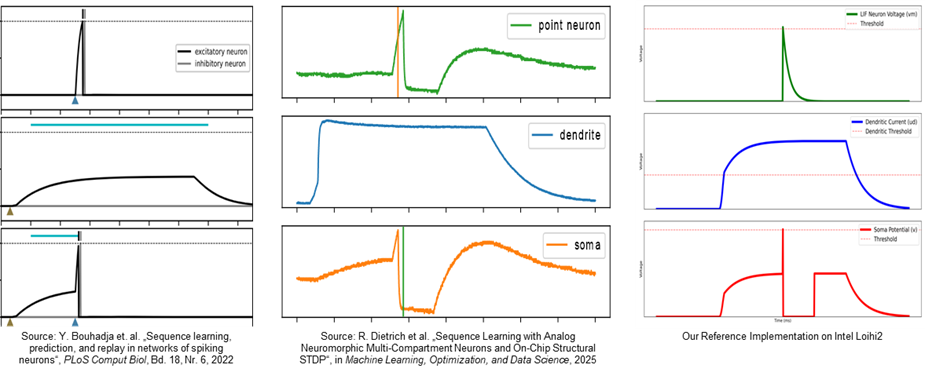
EBRAIN Ensembles
Neuroscience provides a rich source of inspiration for new types of algorithms and architectures, independent of and/or complementary to the…
To Project-Page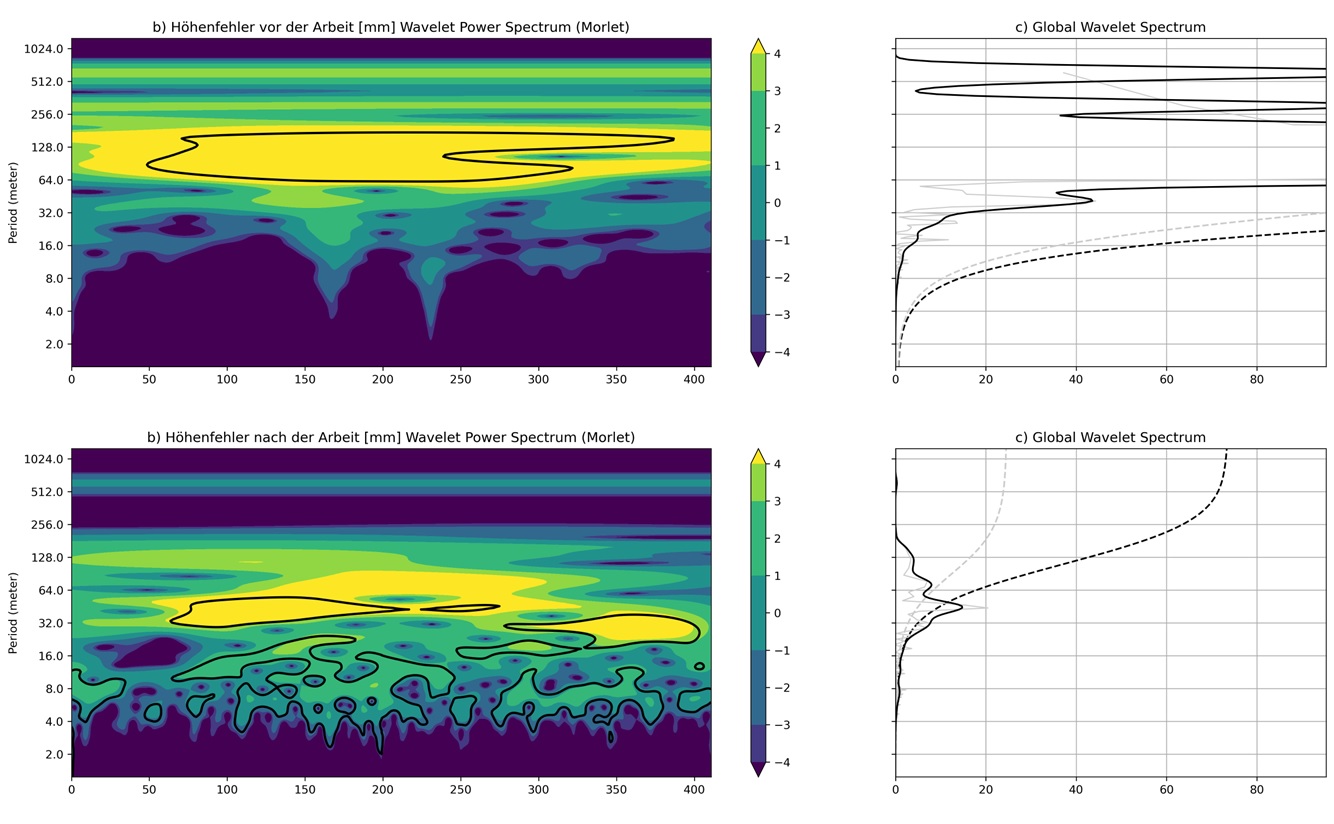
RTEL
RTEL is an innovative Rail Track Error Learning AI system where in collaboration with System 7, we will analyze railroad…
To Project-Page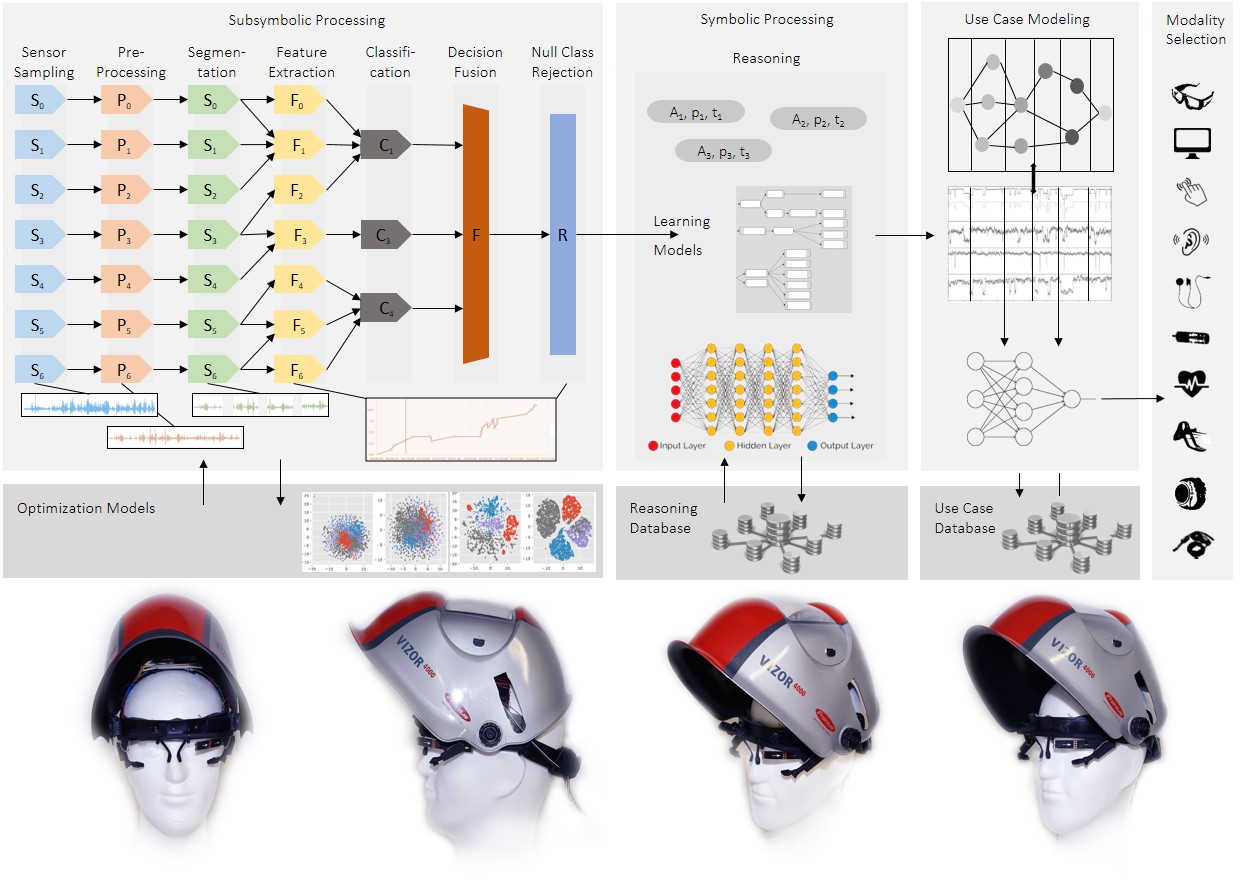
GUIDE
GUIDE will investigate novel worker context recognition, assistance and guidance technologies for use in the manufacturing- and production setting. The…
To Project-Page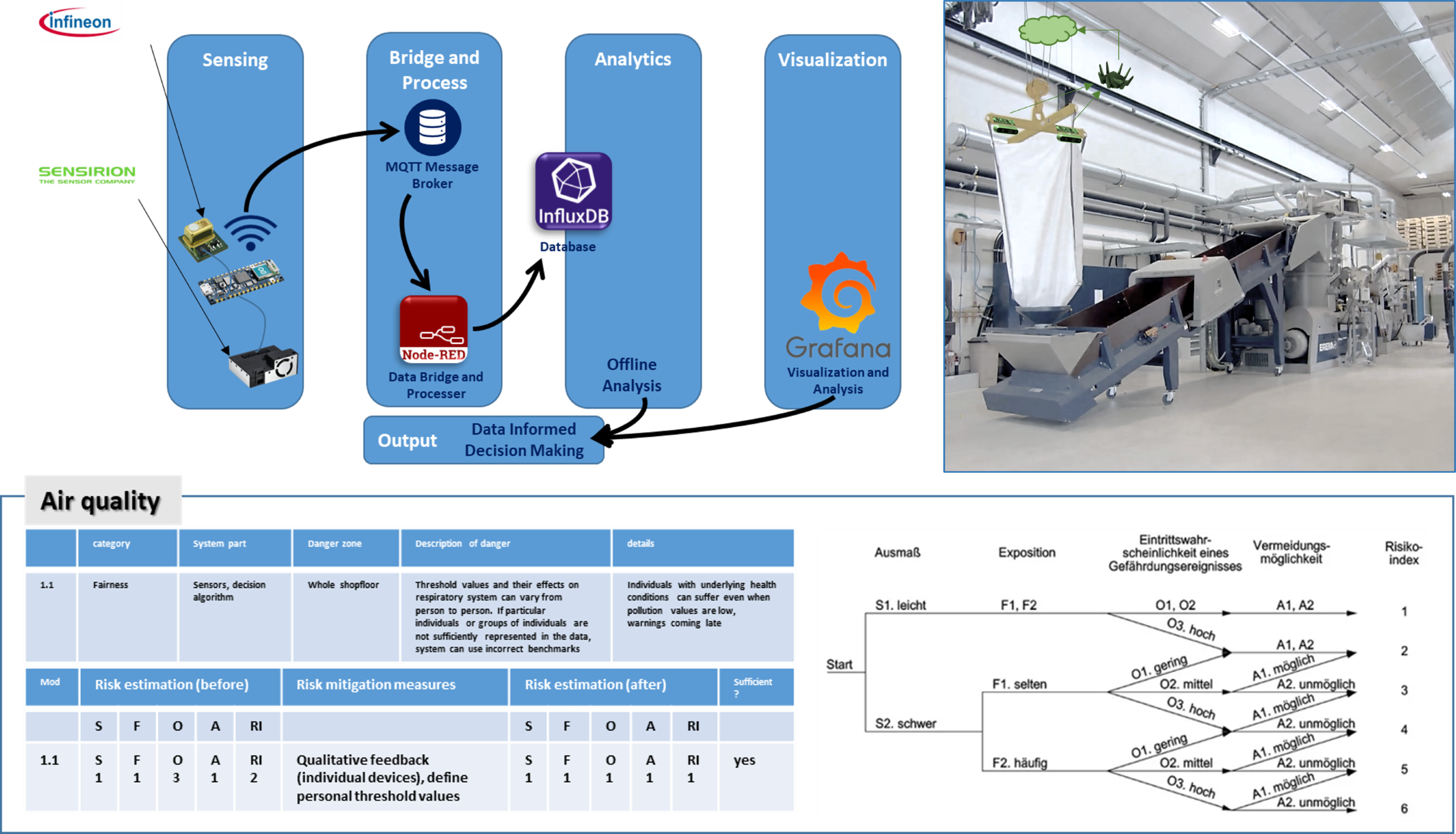
AI2Human
The technological revolution is rapidly transforming the work environment, subjecting workers to new challenges, such as collaborating with highly efficient…
To Project-Page
KInd
Austrian Small and Medium-sized Enterprises (SMEs) exhibit a mid-range performance within the European Union regarding product and process innovations. This…
To Project-Page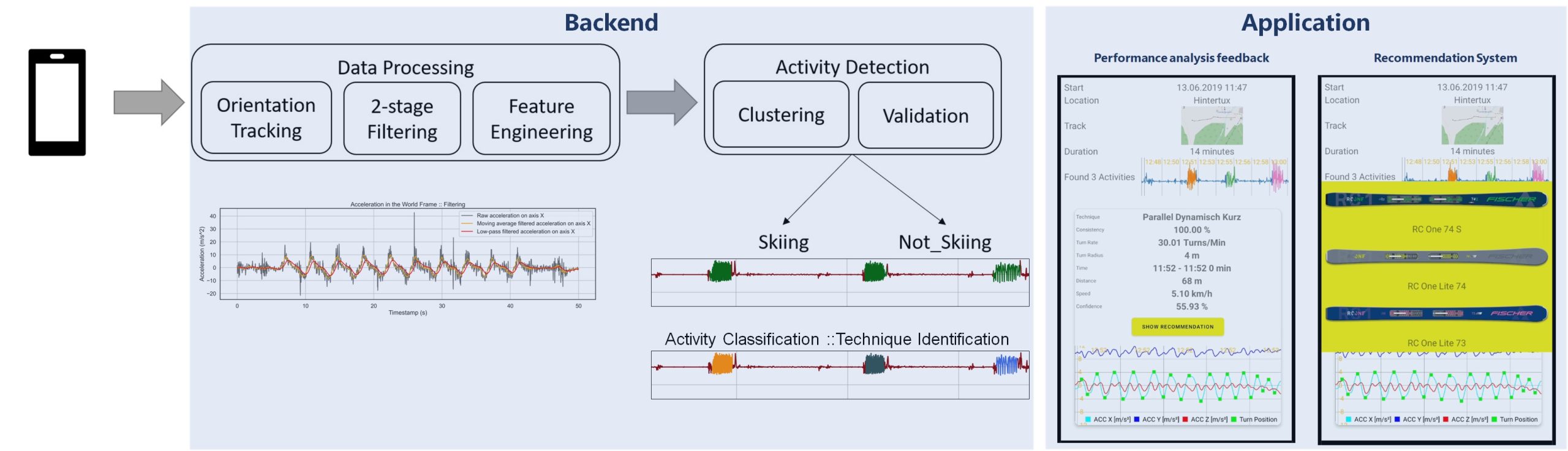
Fischer4You2
Fischer4You2 aims to assess recreational alpine skiers to find their skill level of skiing, therefore providing them with an appropriate…
To Project-Page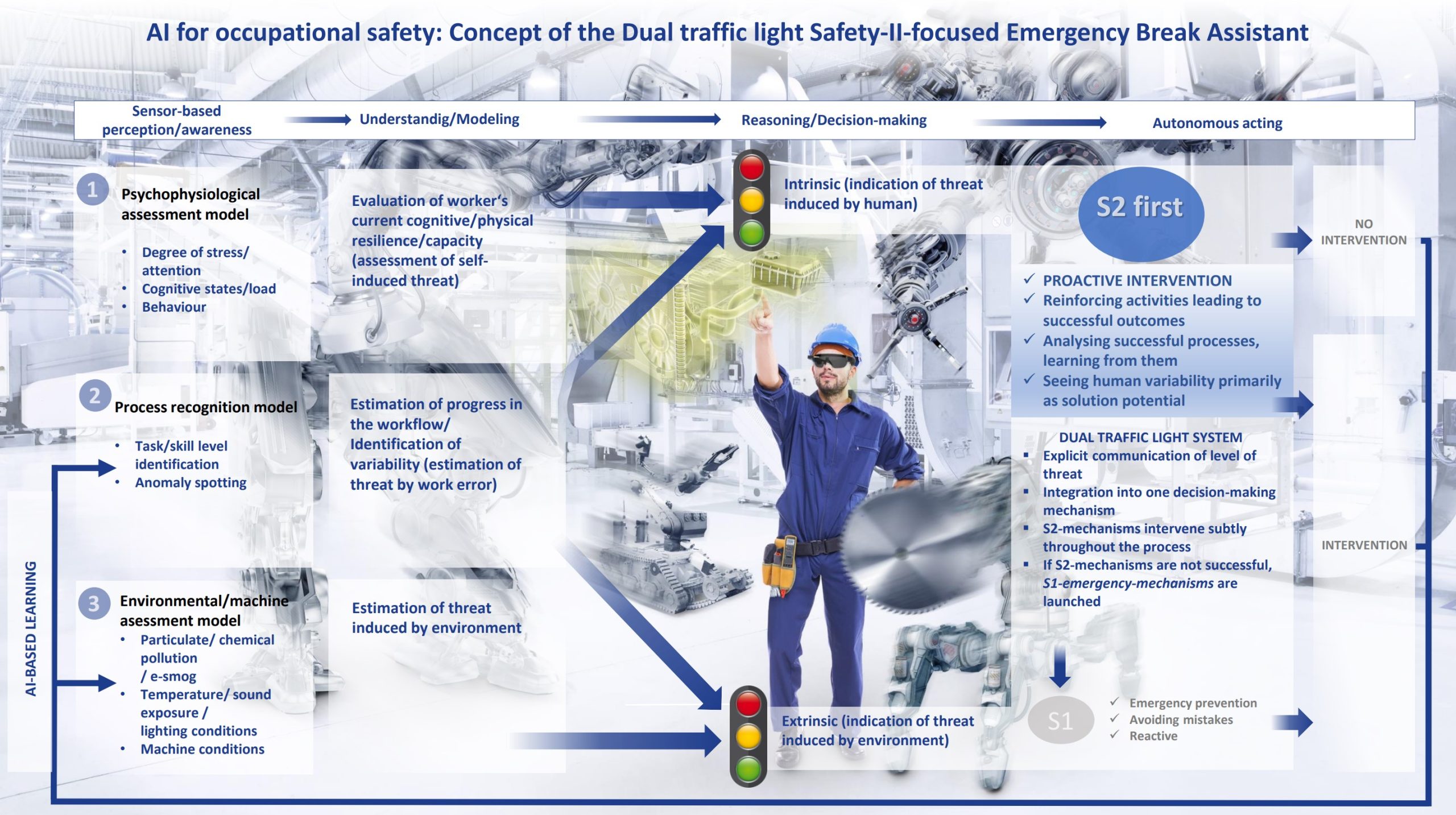
HumanAI
Work environments, particularly within the industrial sector, are undergoing swift and dynamic technological transformations. Employees are increasingly confronted with new…
To Project-Page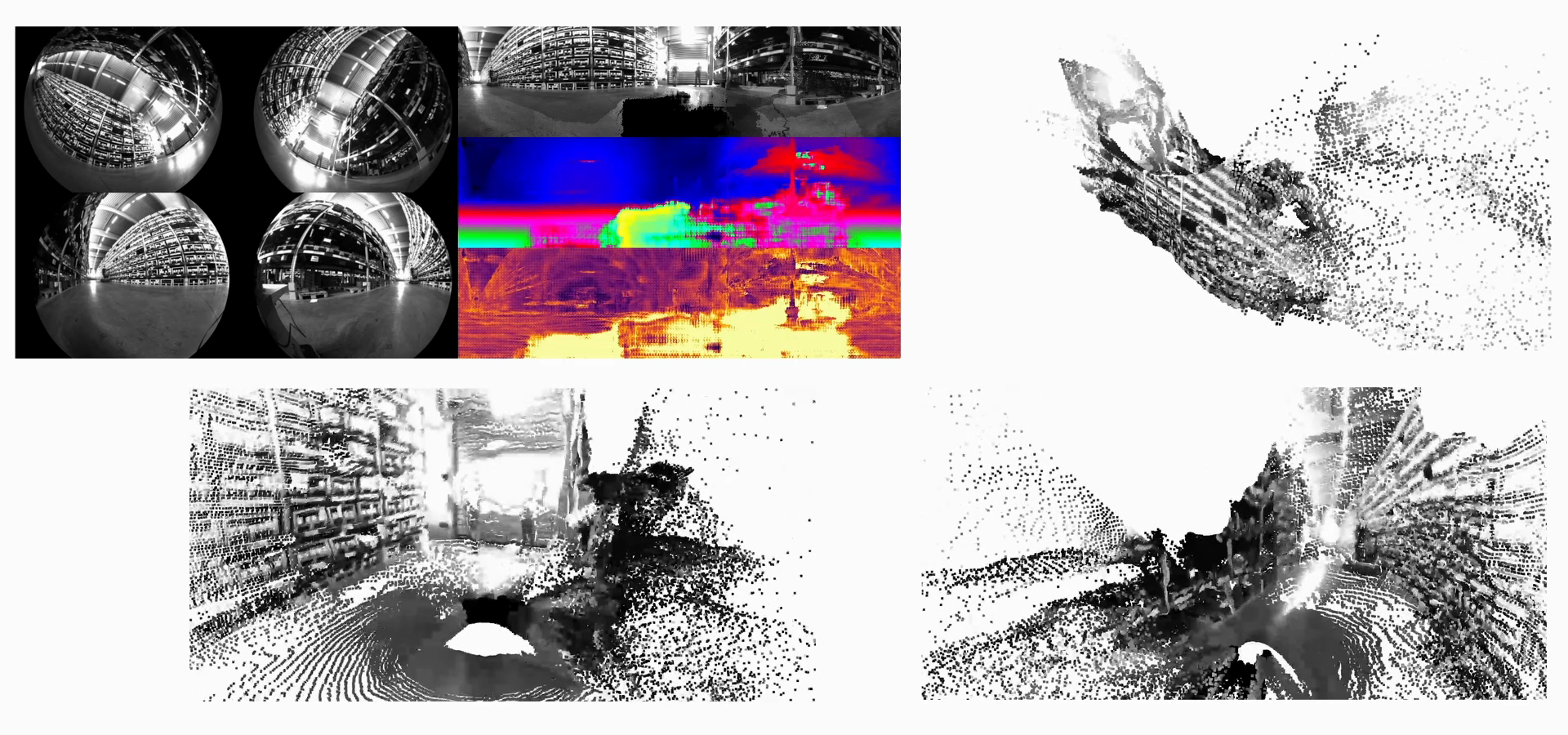
3D-RECON III
The focus of this research initiative is to advance the field of multi-view stereo (MVS) by addressing key challenges and…
To Project-Page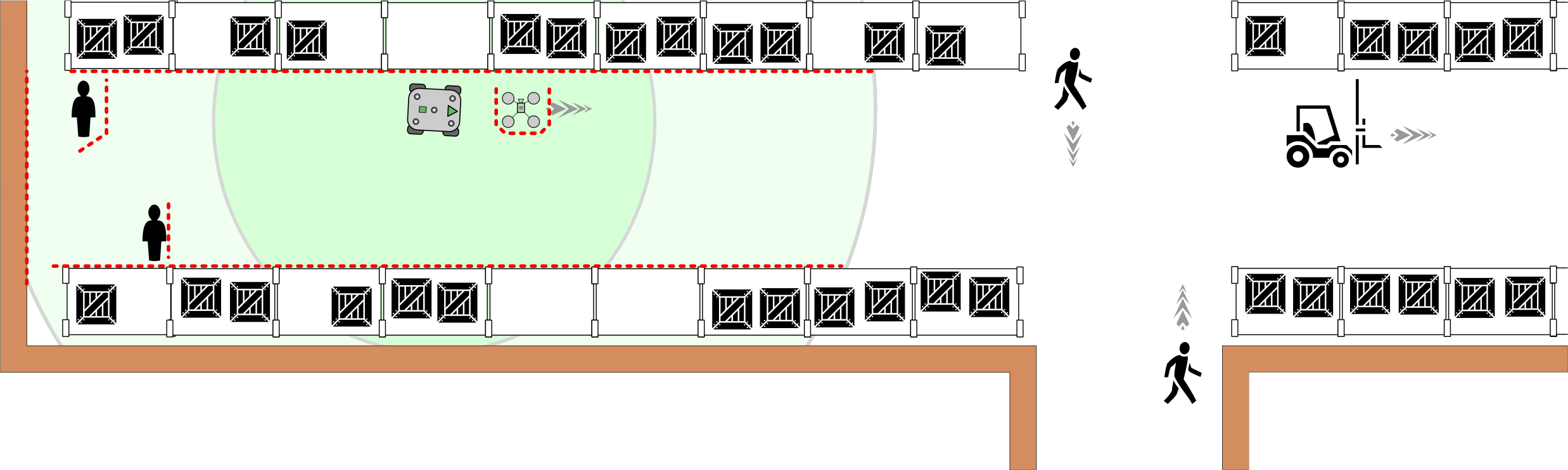
AI-Flight
In the last decade, drones are showing a great potential as data acquisition platforms, which can support industrial systems in…
To Project-Page
GenCon
The strategic project “Gender and Diversity Considerations for Responsible Research beyond AI Technology”, in short “GenCon” was intended to raise…
To Project-Page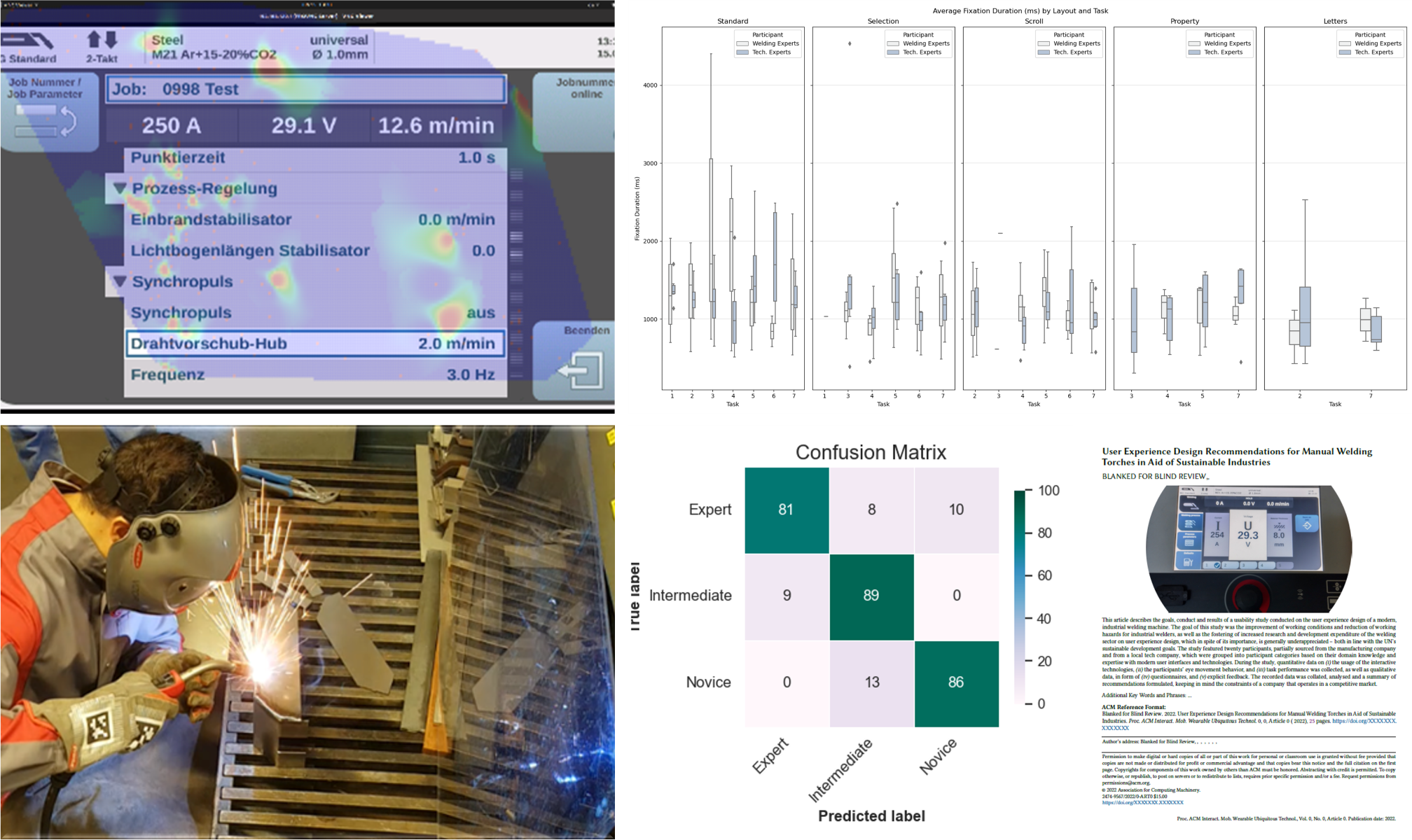
APECGR
This project researched user experience design based on contextual triggers in the welding domain. Usually in industries, good user experience…
To Project-Page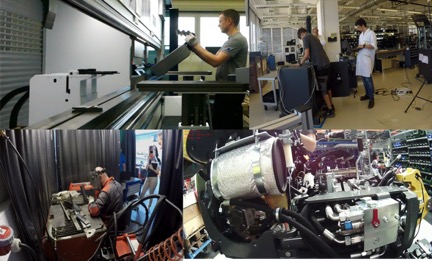
WorkIT
The vision of WorkIT is to establish cognitive capabilities in today’s conventional products (e.g. power tools or machines). To achieve…
To Project-Page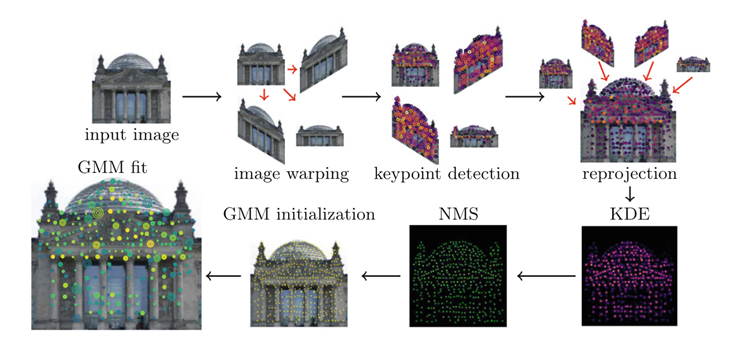
3D-Recon VI
The primary focus of this research project is deeply rooted in the domain of Structure from Motion (SfM). SfM is…
To Project-Page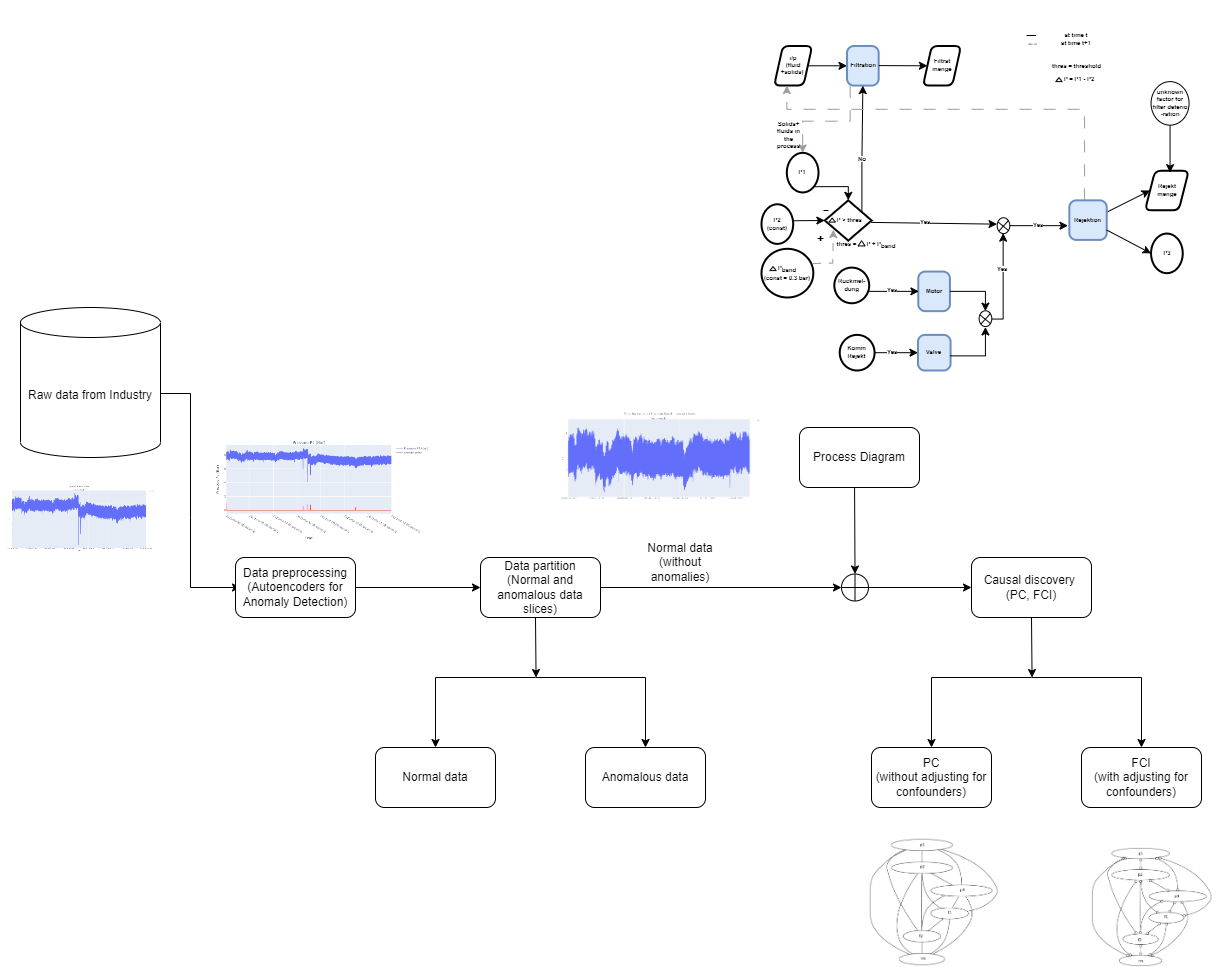
REWAI
The REWAI project aims to enhance sustainability through cognitive decision-making, utilizing explainable AI techniques to augment human intelligence with machine…
To Project-Page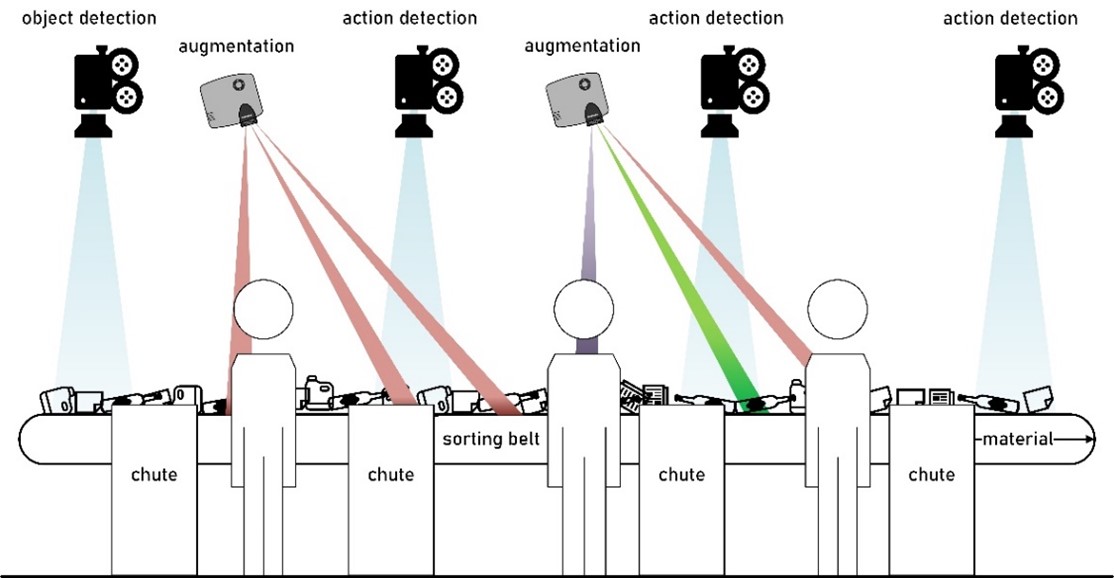
recAIcle
Waste contributes significantly to greenhouse gas emissions. As economic growth is the main driver for increased waste generation, a decrease…
To Project-PageIndustrial Partners















Academic Partners